ในอุตสาหกรรมอาหารและเครื่องดื่ม, “ทำความสะอาด” is more than a standard—it is a non-negotiable requirement for consumer safety. If you have ever faced the nightmare of a bacterial outbreak or a failed health audit due to unsanitary heating equipment, you know the stakes are incredibly high. The good news: choosing a certified 3A sanitary immersion heaters can eliminate these risks at the source. At Taizhou Yuling Electrical, after 40+ years of engineering heating solutions, we understand that sanitary heating is about much more than just using stainless steel.
1. Beyond 304: Why 316L and High-Nickel Alloys Matter
While many general-purpose heaters use 304 สแตนเลส, true 3A sanitary immersion heaters must utilize materials that resist pitting and crevice corrosion, especially when cleaning with aggressive CIP (Clean-in-Place) chemicals. In our manufacturing practice, we prioritize 316L stainless steel or Incoloy 800 for sanitary applications. ที่ “ล” in 316L stands for Low Carbon, which is vital to prevent sensitization during welding—a process that otherwise creates microscopic “pockets” where bacteria can hide and grow. When we work with our food-processing clients, we always emphasize that material purity is the foundation of hygiene.
2. The Ra Value: Why Surface Finish is Your Best Defense
A key requirement of the 3A standard is the surface roughness (Ra) ค่า. For a heater to be truly sanitary, its surface must be smooth enough to prevent proteins and sugars from adhering to the metal. We typically engineer our sanitary elements to a finish of 32 micro-inches Ra or better. In our quality control lab, we use electropolishing to achieve a mirror-like finish that not only looks professional but actively resists biofilm formation. If your current supplier cannot provide a surface finish certificate, your “sanitary” heater might actually be a liability.
3. Sanitary Design: Eliminating “Dead Legs” and Crevices
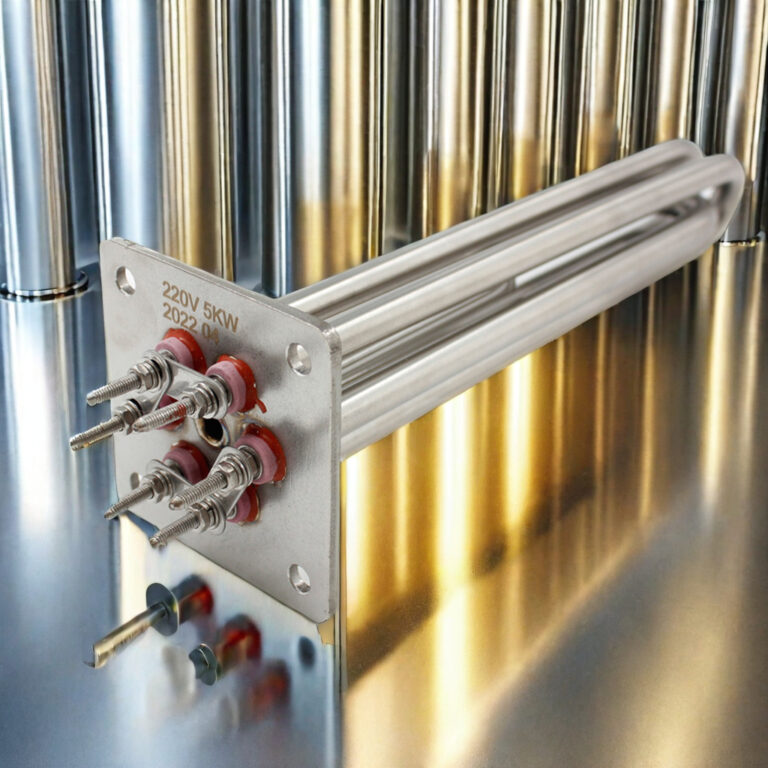
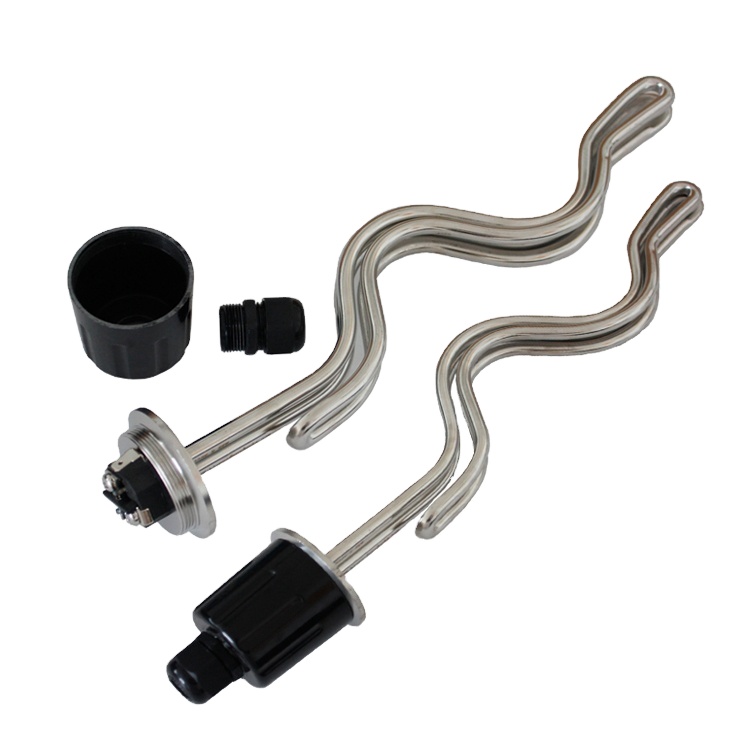
Bacteria thrive in stagnant areas. A true 3A design ensures there are no sharp corners, exposed threads, หรือ “dead legs” where fluid cannot circulate freely. Our sanitary flange heaters use radius-blended welds and specialized gaskets that meet FDA requirements. This design allows for 100% effective CIP cycles, reducing manual cleaning time and increasing your facility’s operational uptime. When we design these systems, we ensure that every square millimeter of the heater surface is reachable by your cleaning solution.
รายการตรวจสอบการตรวจสอบซัพพลายเออร์: 3 Essentials for Sanitary Procurement
- Do you provide Electropolishing as standard? Standard mechanical polishing is often insufficient for 3A compliance in high-sugar or high-protein environments.
- Are the gaskets FDA-approved? The heating element is only as sanitary as its weakest seal. Ensure all non-metallic parts are food-safe.
- Is there full traceability for the 316L material? Request the Mill Test Certificate to confirm low carbon content and molybdenum levels.
คำถามที่พบบ่อย
ถาม: Can I use a standard water heater for food processing?
Absolutely not. Standard heaters have threaded connections and rough surfaces that are impossible to sanitize fully, leading to inevitable bacterial contamination.
ถาม: How often should I inspect the surface of my sanitary heater?
We recommend a visual inspection every 3 เดือน. Look for any discoloration or “pitting” which could indicate that your CIP chemicals are too aggressive for the chosen material.
Refer to the 3-A Sanitary Standards Inc. for full compliance details.