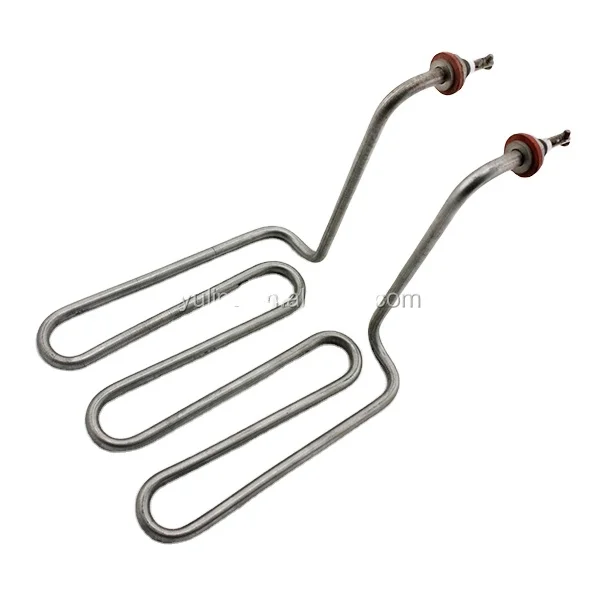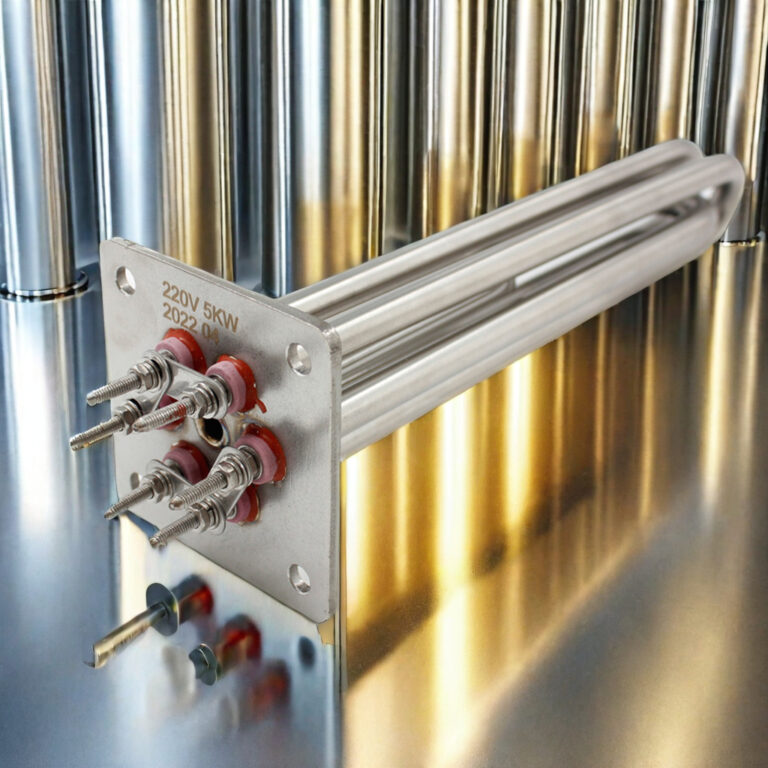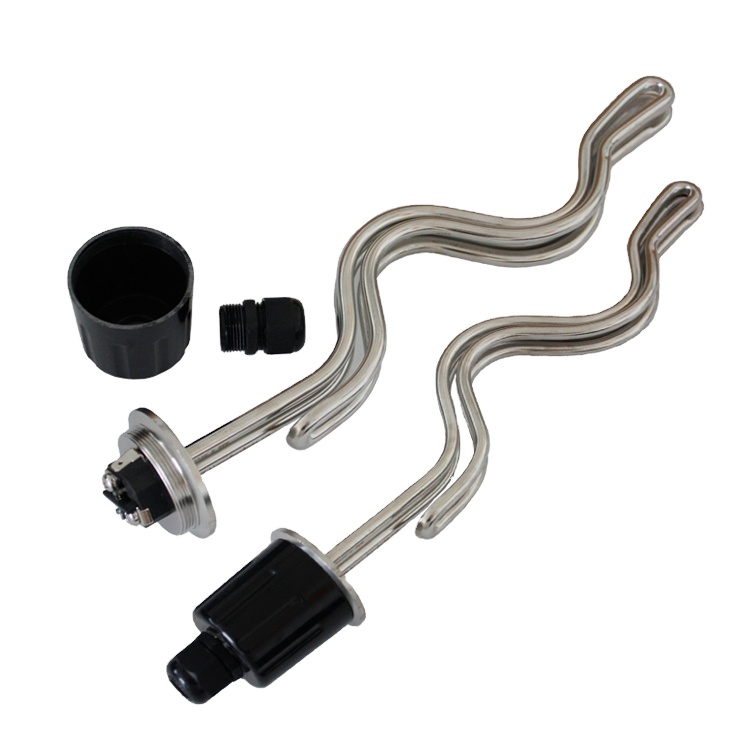
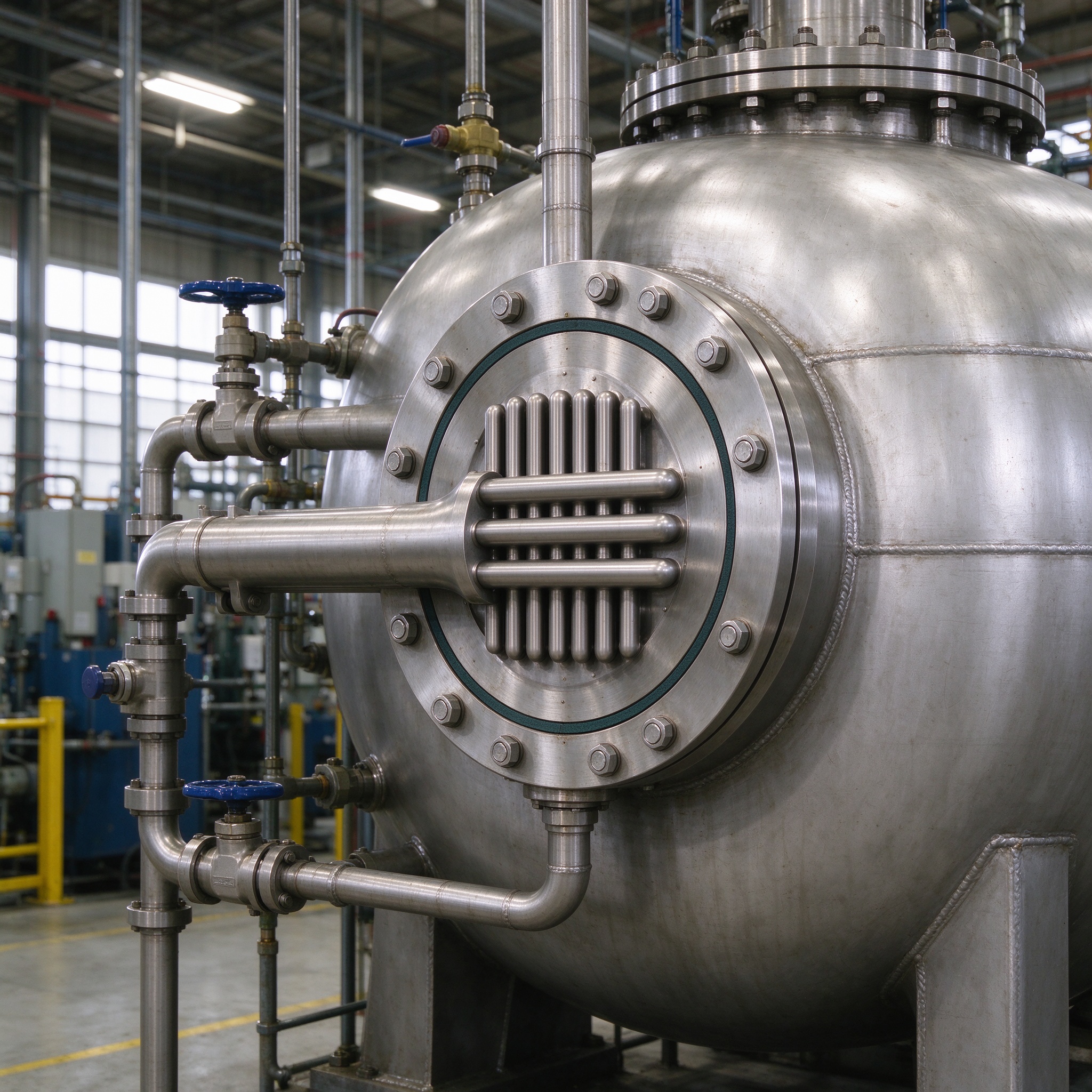
When an industrial heater is installed inside a pressure vessel, a tank, a boiler or a heat exchanger, it is no longer a standalone component. It becomes part of an engineered system subject to pressure-vessel codes — most commonly the ASME Boiler and Pressure Vessel Code (BPVC) in the United States and equivalent national codes elsewhere. Specifying ASME-certified heating elements means choosing heaters designed, documented and traceable to that code, rather than retrofitting off-the-shelf elements into a certified vessel.
This guide explains what ASME certification means for heaters, which joints and components are in scope, and how to integrate heaters into a certified vessel project without compromising the code stamp.
What ASME Certification Actually Covers for Heaters
The ASME BPVC divides pressure-containing equipment into sections relevant to heaters:
– Section VIII, Division 1 — Rules for pressure vessels, including the vessel shell, heads, nozzles and the heater-to-vessel attachment.
– Section IX — Welding qualifications; the weld procedure used to attach a heater flange or nozzle must be qualified to ASME IX.
– ASME BTH — Rules for shell-and-tube heat exchangers.
– NBIC — National Board Inspection Code for installation, inspection and repair.
A heating element itself is not pressure-containing, but its flange, threaded boss, weld joint and seal are. These must be designed and documented under the code.
The Heater Components in Scope
When integrating a heater into an ASME vessel, the following details must be engineered:
1. Threaded or flanged connection. The boss or flange on the vessel wall must be rated for the design pressure and temperature.
2. Weld joint. The weld attaching the boss to the vessel wall must follow an ASME IX-qualified procedure.
3. Gasket and sealing. The heater-to-vessel seal must be compatible with the process fluid and temperature.
4. Relief and over-temperature. The heater cannot create a pressure excursion that the relief system does not cover.
5. Materials of construction. Vessel material and heater sheath material must be compatible; dissimilar metals introduce galvanic and thermal-expansion issues.
A common mistake is installing a standard immersion heater into a code-stamped vessel without revalidating the boss and weld — this invalidates the vessel’s code stamp.
Design Data the Heater Supplier Needs
To specify a code-compliant heater, the supplier requires:
– Vessel design pressure and design temperature
– Process fluid (for sheath material selection)
– Connection type (flanged, threaded, clamp)
– Required wattage and voltage
– Heating zone length and immersion depth
– Whether the vessel holds an existing ASME “U” stamp, and which section it was built under
– Required documentation: material test reports (MTRs), weld procedure specifications (WPS), procedure qualification records (PQR)
Documentation You Should Expect
For code projects, the heater package should include:
– Material test reports for sheath, flange and weld filler

– ASME IX weld procedure and welder qualifications
– Radiographic or ultrasonic test reports on the attachment weld
– A heater nameplate showing electrical rating and pressure rating
– Installation instructions referencing the vessel code
If a supplier cannot provide these documents, the project engineer cannot sign off the integration.
Common Application Scenarios
– Steam boilers — immersion heaters on boiler water loops, subject to ASME Section I or VIII depending on the system.
– Chemical reactors — flanged immersion heaters into pressure reactor vessels.
– Oil and gas separators — heaters on vessel walls with API and ASME requirements.
– Food and pharmaceutical tanks — sanitary flanged heaters with 3-A or EHEDG compatibility, often inside ASME vessels.
Lista di controllo per l'audit dei fornitori
1. Does the supplier provide ASME IX-qualified weld procedures for heater-to-vessel attachment?
2. Can they supply MTRs for sheath, flange and weld filler?
3. Is the connection rated for your design pressure and temperature?
4. Can they provide a heater nameplate with electrical and pressure ratings?
5. Do they have experience with ASME Section VIII, and can they share a reference project?
6. What nondestructive testing is standard on the attachment weld?
7. Can they supply sanitary designs (3-UN / EHEDG) for food and pharma integration?
8. What documentation package is included with each heater?
FAQ
Q: Does every industrial heater need ASME certification?
UN: NO. Only heaters installed into pressure-containing vessels subject to a pressure-vessel code need code-compliant design. Open tanks and atmospheric vessels do not require ASME integration.
Q: Can I add a heater to an existing ASME-stamped vessel?
UN: SÌ, but the new nozzle or boss and its weld must be engineered under the code and inspected; this is a repair under NBIC and should be handled through the vessel engineer.
Q: What is the difference between ASME U-stamp and UM-stamp?
UN: The U stamp applies to complete pressure vessels built under ASME Section VIII; the UM stamp applies to miniaturized vessels. Heaters integrate into either, but the weld and boss documentation must match.
Q: How do I choose sheath material for a code vessel?
UN: Based on process fluid and temperature: 304/316 for water and mild chemicals, Incoloy for higher temperatures and corrosive fluids, titanium for chlorides, PTFE for aggressive chemical baths.
Contattaci
For heaters integrated into your certified vessels, send us the vessel design pressure, design temperature, process fluid, connection type and required documentation level. We will return a code-compliant heater package with MTRs and weld documentation. Reach us through the contact page or WhatsApp.