If you are sourcing thermal components from overseas manufacturers, vetting supplier capabilities directly impacts your production uptime and safety compliance. Dobre vijesti: evaluating industrial heating element suppliers becomes predictable once you establish clear manufacturing audit criteria, material verification protocols, and quality standards.
Sadržaj
What Core Quality Benchmarks Define Top Industrial Heating Element Suppliers?
A capable industrial heating manufacturer must possess verified international quality certifications including ISO9001, UL, CE, and CQC compliance. These standard certifications ensure consistent factory management, standardized production tracking, and dependable product traceability across continuous manufacturing batches.
Beyond basic certificates, high-grade manufacturers maintain strict raw material sourcing standards for magnesium oxide insulation powder, resistance coils, and outer sheaths. Premium electric resistance elements require high-purity electrical-grade MgO powder compacted to densities exceeding 2.3 g/cm³ to ensure optimal thermal conductivity.
At Vanorm, naše 40+ years of manufacturing experience across an 8000㎡ workshop and 200+ skilled staff underpins our global exports to 60+ zemljama. Establishing long-term relationships with reputable industrial heating element suppliers guarantees dependable thermal performance and robust product lifespans for demanding OEM machinery.
How Do Leading Manufacturers Verify Material Purity and Sheath Integrity?
Reliable suppliers implement positive material identification (PMI) spectrometry to verify alloy chemistry before tubes enter automated bending and filling lines. Confirming genuine nickel and chromium percentages in Incoloy 800 and 316L stainless steel prevents premature corrosion in harsh process environments.
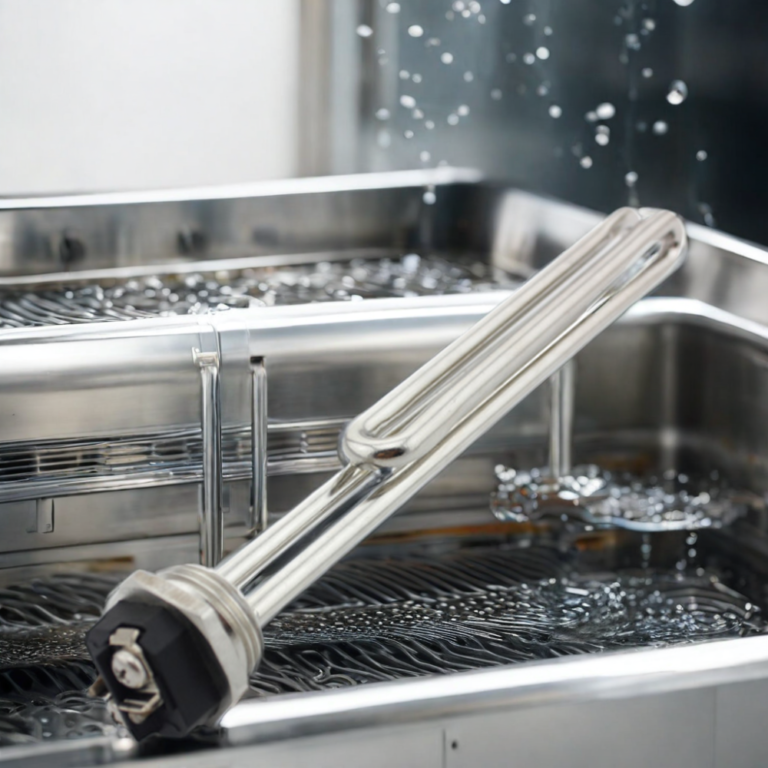
Non-destructive examination protocols such as eddy current testing, helium mass spectrometry, and hydrostatic pressure testing verify weld seam integrity. Hydrostatic testing at 1.5 times the rated operating pressure guarantees that immersion heater flanges remain hermetically sealed under demanding process conditions.
U našoj proizvodnoj praksi, 100% of finished elements undergo rigorous dielectric high-potential (Hi-Pot) testing from 1500V to 2500V alongside cold insulation resistance checks. Partnering with certified industrial heating element suppliers ensures all delivered components exceed international electrical safety thresholds before shipment.
Why Does In-House Tooling and Custom Engineering Determine OEM Success?
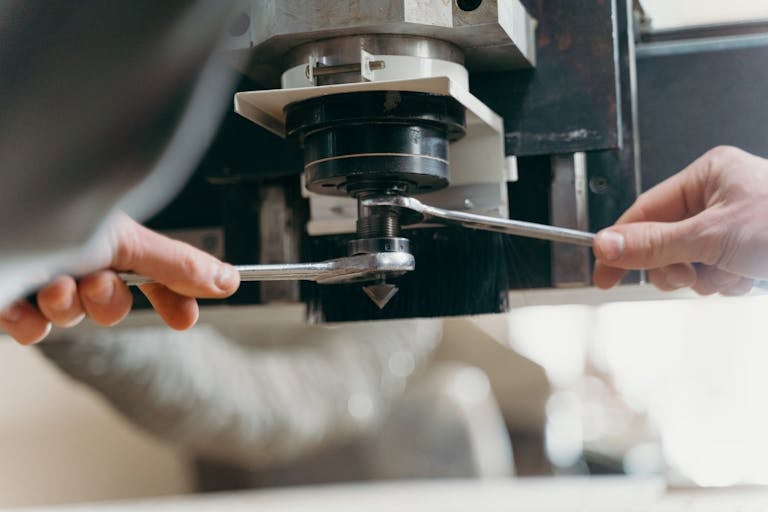
OEM machinery builders frequently require non-standard element bend radii, custom mounting flanges, and specialized cold terminal extensions. Suppliers with dedicated in-house CNC toolmaking and 3D modeling support can turn complex mechanical drawings into functional prototypes rapidly.
Nasuprot tome, intermediaries and small workshops that outsource bending dies and welding operations introduce recurring dimensional errors and extended production lead times. Direct factory integration streamlines thermal calculation reviews, prototype sampling, and volume manufacturing under a single engineering oversight team.
Our dedicated engineering department collaborates directly with equipment designers to optimize sheath watt loading and terminal seal configurations. Direct collaboration with proven industrial heating element suppliers eliminates design guesswork and accelerates new product time-to-market for equipment manufacturers.
How to Spot Red Flags When Auditing Sourcing Quotes from Chinese Factories?
When reviewing initial quotations, pricing that falls significantly below market averages often signals dangerous compromises in raw materials. Unscrupulous suppliers may use low-grade industrial MgO with high moisture absorption or substitute 304 stainless steel in place of specified Incoloy 800.
Another major red flag is the reluctance to provide traceable mill test certificates (MTC) or comprehensive pre-shipment quality inspection reports. Professional manufacturers readily provide complete chemical analysis sheets, dimensional inspection records, and electrical test logs with every shipment.
Establishing clear procurement contracts that specify third-party factory inspection rights safeguards your business against hidden component substitution. Vetting qualified industrial heating element suppliers protects your brand reputation and eliminates catastrophic field failures in customer installations.
How Do Different Types of Heating Element Manufacturers Compare?
| Supplier Category | Custom Engineering | Material Traceability | In-House Testing Facility | Lead Time Reliability |
|---|---|---|---|---|
| Direct Custom OEM Factory | Full CAD / ODM podrška | 100% Certified Batch MTC | Full Hi-Pot & Hydrostatic Lab | visoko (Direct production schedule) |
| Trading Intermediary | Limited (Third-party dependent) | Variable / Inconsistent | Nijedan (Relies on external vendor) | Moderate (Added communication lag) |
| Standard Commodity Producer | Standard Catalog Sizes Only | Basic Material Checks | Routine Batch Sampling | visoko (Stock standard parts) |
| Small Uncertified Workshop | Ad-Hoc Manual Bending | No Formal Traceability | Minimalno (Basic multimeter only) | Niska (Frequent manufacturing delays) |
For official international quality management guidelines and formal manufacturing audit benchmarks, review the published criteria from ISO 9001 Quality Management System Standards. Following standardized supplier evaluation frameworks ensures consistent product quality and operational compliance.
To further refine your thermal design calculations and alloy selection, consult our custom heating elements OEM manufacturing guide, naše vodič za izračun gustoće vata, i naše Incoloy 800 u odnosu na 316 stainless steel comparison. These technical resources provide actionable guidance for equipment engineering teams.
Kontrolni popis za reviziju dobavljača: 5 Dokumenti koje treba zatražiti prije potpisivanja narudžbenice
- Raw Material Mill Test Certificates (MTC): Laboratory verification confirming chemical alloy composition, tensile strength, and wall thickness of the metal sheathing.
- Dielectric High-Potential and Insulation Resistance Logs: 100% factory inspection records showing leakage current below 0.5mA under specified test voltages.
- Hydrostatic and Pneumatic Leak Test Reports: Pressure test certification verifying weld and braze hermetic integrity for liquid immersion applications.
- ISO9001 and International Safety Certifications: Current certificates validating compliance with UL, CE, RoHS, and CQC quality and electrical safety standards.
- Pre-Shipment Dimensional Inspection Reports: Complete dimensional verification checking element lengths, bend radii, mounting threads, and terminal clearances.
Auditing potential industrial heating element suppliers with this structured checklist ensures seamless integration into your machinery. Demanding certified documentation before issuing final purchase orders protects your capital investment and ensures dependable system longevity.
Često postavljana pitanja
Q: What are the most critical certifications to verify for Chinese heating element manufacturers?
Look for ISO9001 for quality management, alongside product-level electrical safety certifications such as UL for North America, CE for the European Union, and CQC for Asian markets. At Vanorm, our full compliance across ISO9001, UL, and CE guarantees that our heating components meet international regulatory and safety standards.
Q: How do experienced buyers verify that specified sheath alloys were actually used?
Experienced buyers request raw material Mill Test Certificates (MTC) and conduct random Positive Material Identification (PMI) testing using portable X-ray fluorescence (XRF) analyzers. This testing instantly verifies nickel, krom, and molybdenum concentrations to confirm authentic Incoloy or 316L grades.
Q: What is the typical lead time for custom industrial heating element prototypes?
Custom prototype lead times generally range between 7 i 14 days when working with direct manufacturers equipped with in-house CNC bending and tooling facilities. Trading companies and small workshops requiring external tooling fabrication often require 3 do 5 weeks for initial samples.
Q: What technical details should be provided when requesting quotes from industrial heating element suppliers?
Provide your operating medium, target temperature, available voltage and wattage, sheath material preference, physical dimension drawings, and connection terminal requirements. Supplying complete technical parameters enables our engineering team to provide precise thermal modeling and accurate pricing.
For custom industrial heating element manufacturing and quotation support, share your technical drawings, operating media, electrical parameters, and quantity requirements with our engineering team. We will review your application specifications and provide a competitive, factory-direct quotation.