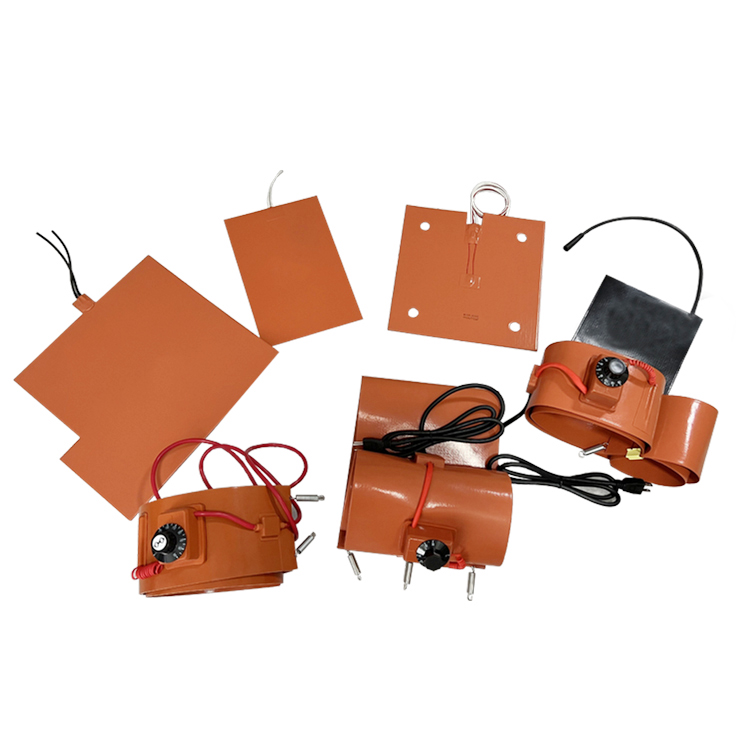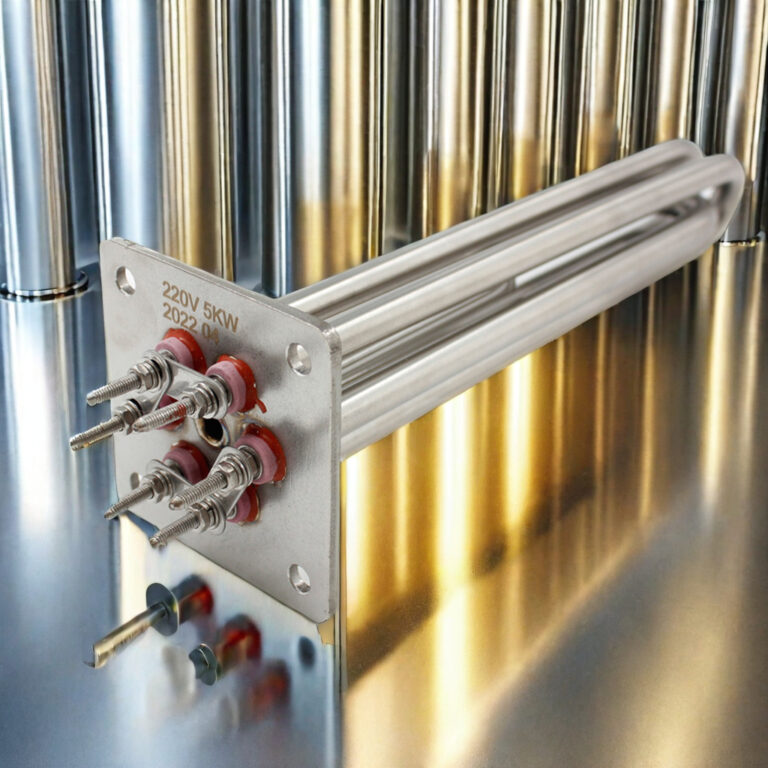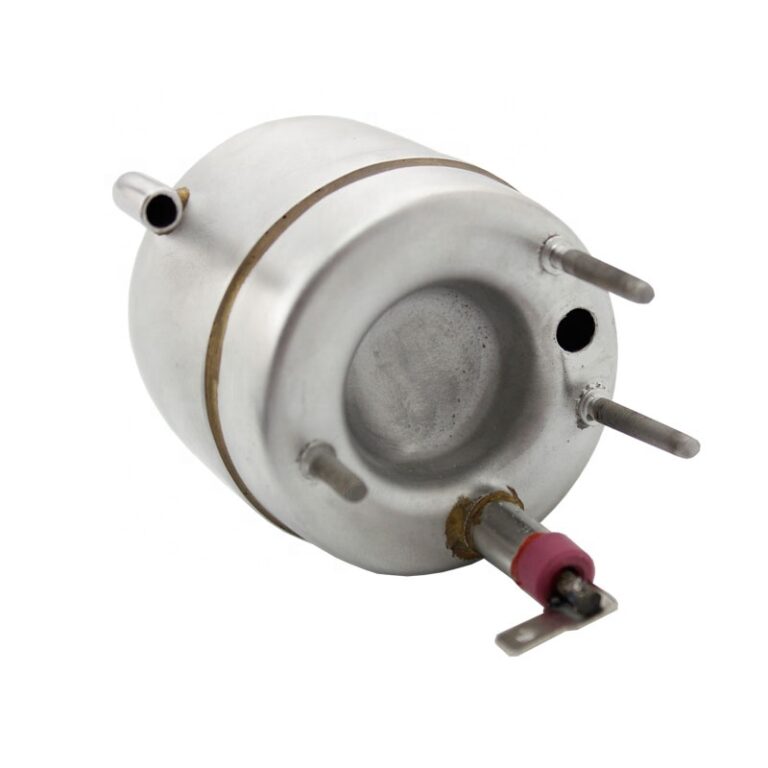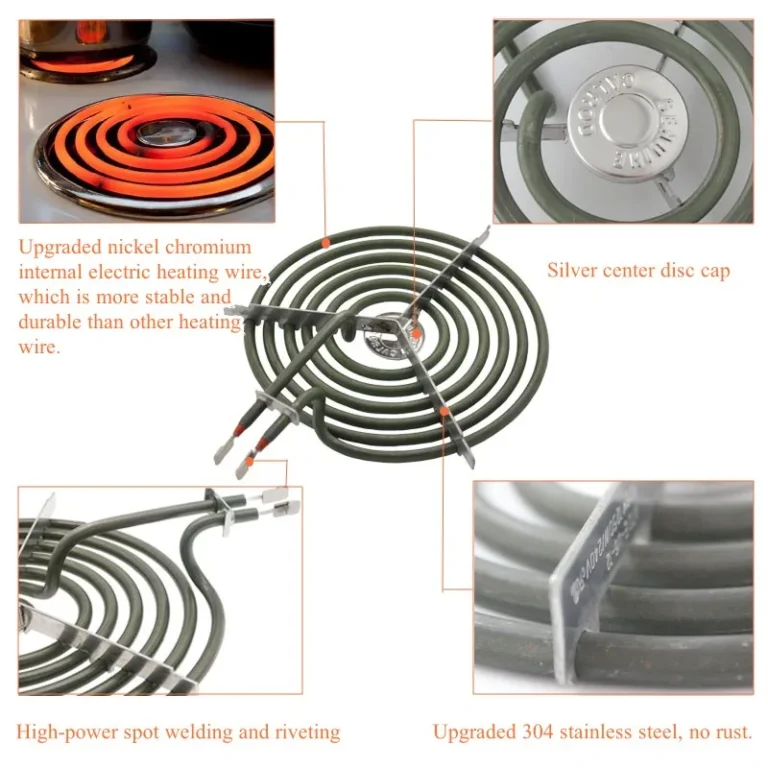
Le remplacement de l’élément chauffant du réservoir d’eau chaude peut être très gênant, leading to issues such as a lack of hot water for showers or an inefficient heating system. Donc, how can you determine if the heating element in your hot water tank is faulty? This article will guide you through the methods to diagnose the problem and explain how to do hot water tank heating element replacement.

Methods to Determine if the Heating Element is Faulty
1. Insufficient Hot Water Supply
If you notice a significant reduction in the hot water supply, it could be due to an aging or damaged heating element. You can check this by following these steps:
- Turn Off the Power: Ensure safety by turning off the power supply to the hot water tank.
- Check Thermostat Settings: Make sure the thermostat is set to the appropriate temperature.
- Use an Ohmmeter: Check the resistance of the heating element using an ohmmeter. If the resistance is infinite or zero, the heating element is likely faulty.
2. Slow Heating of Water
If the water takes longer to heat than usual, the heating element might be the issue. A damaged element cannot provide sufficient heat, leading to slower heating times.
3. Unusual Noises
Normally, a hot water tank should operate with minimal noise. If you suddenly hear hissing or other unusual sounds, it could be due to sediment buildup in the heating element, which might require replacement.
4. Changes in Water Quality
If you notice an unusual smell or color in the hot water, this could also be a sign of a problematic heating element. Sediment buildup can cause these changes, and you may need to clean or replace the element.
Problèmes courants et solutions possibles
| Type de problème | Cause possible | Étapes et solutions d'inspection |
|---|---|---|
| Eau chaude insuffisante | Élément chauffant endommagé | Couper l'alimentation, vérifier la résistance avec un ohmmètre |
| Chauffage lent | Élément chauffant vieillissant ou endommagé | Vérifier les réglages du thermostat, écoutez les bruits inhabituels, inspecter l'accumulation de sédiments |
| Unusual Noises | Accumulation de sédiments ou élément chauffant endommagé | Inspecter l’accumulation de sédiments, nettoyer ou remplacer l'élément |
| Changements dans la qualité de l'eau | Accumulation de sédiments dans l’élément chauffant | Nettoyer le ballon d'eau chaude, remplacer l'élément chauffant si nécessaire |
Étapes de Remplacement de l'élément chauffant du réservoir d'eau chaude
Voici les étapes à suivre pour remplacer l'élément chauffant de votre réservoir d'eau chaude:
- Rassembler des outils: Vous aurez besoin d'un tournevis, clé, ohmmètre, et un nouvel élément chauffant.
- Coupez l'alimentation électrique et l'alimentation en eau: Ensure safety by turning off the power and water supply to the hot water tank.
- Drain the Tank: Use a drain hose to empty the water from the tank.
- Remove the Old Element: Use a screwdriver and wrench to remove the old heating element.
- Install the New Element: Place the new heating element in the original position and secure it with screws.
- Reconnect Water and Power: Check all connections to ensure there are no leaks or loose fittings, then reconnect the water and power supply.
Post-Replacement Tips
After replacing the heating element, it is recommended to heat a small amount of water and then drain it to ensure the water quality is normal. This ensures that the new heating element is functioning correctly and does not affect the water quality.
By following the above methods and steps, vous devriez être en mesure de déterminer efficacement si l’élément chauffant de votre réservoir d’eau chaude est défectueux et d’effectuer le remplacement nécessaire. Si vous n'êtes pas sûr, il est conseillé de demander l'aide d'un professionnel pour assurer la sécurité. Nous espérons que cet article vous aidera à résoudre facilement les problèmes liés à votre ballon d'eau chaude..