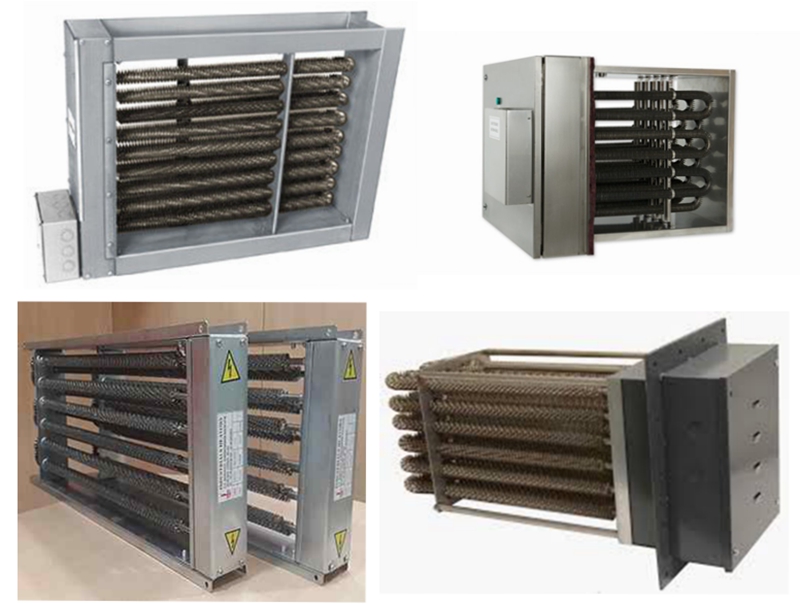
Définition et principe de base de radiateur électrique à tube à ailettes
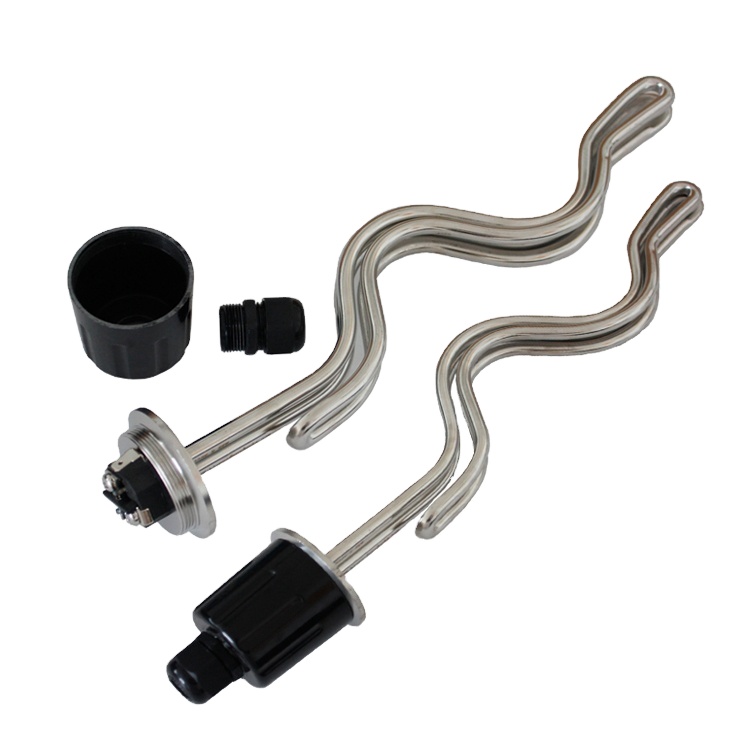
Un radiateur électrique à tube à ailettes est un appareil de chauffage spécialement conçu qui augmente l'efficacité du transfert de chaleur en augmentant la surface.. Le principe de base est d'utiliser la structure des ailettes pour élargir la zone de contact avec l'objet chauffé., afin de dissiper et de transférer plus efficacement la chaleur. Les conceptions de radiateurs à ailettes comprennent généralement un ou plusieurs éléments chauffants fixés sur des ailettes à haute conductivité thermique., généralement en aluminium ou en cuivre.
Les radiateurs à ailettes présentent des avantages significatifs par rapport aux radiateurs conventionnels. Alors que les radiateurs conventionnels reposent sur le contact direct ou la convection pour transférer la chaleur, les radiateurs à ailettes permettent un transfert de chaleur plus efficace grâce à leur surface étendue. Cette conception améliore non seulement l'efficacité du chauffage, mais peut également obtenir le même effet de chauffage à une température de fonctionnement plus basse, prolongeant ainsi la durée de vie de l'équipement.
La conception de l'aileron joue un rôle crucial dans les performances du chauffage électrique à tube à ailettes.. La forme, la taille et la disposition des ailettes affecteront son effet de dissipation thermique. Les conceptions d'ailerons courantes incluent les ailerons droits, ailerons en spirale et ailerons ondulés. Différents types de radiateurs à ailettes peuvent être utilisés pour différents scénarios d'application. Par exemple, les radiateurs à ailettes droites conviennent aux besoins généraux de chauffage industriel, tandis que les radiateurs à ailettes en spirale sont plus adaptés aux environnements nécessitant une dissipation thermique efficace..
Les radiateurs à ailettes sont largement utilisés dans de nombreux domaines tels que l'industrie, commerce et maison. Sa capacité efficace de transfert de chaleur le rend idéal pour de nombreuses applications de chauffage. Des systèmes de climatisation aux fours industriels, du chauffe-eau à l'équipement de séchage, fin heaters are used in a wide range of applications.
| Détails techniques | |
| Diamètre de construction | 8MM 10MM 12MM 14MM 16MM 18MM 20MM. etc. |
| Matériau du tube | acier inoxydable 304/321/316/310S,Incoloy 800 840 |
| Tolérance à l'alimentation | Tolérance ± 10 % |
| Utilisation d'alliages | Convient pour tube chauffant AISI 304 dans l'eau ou dans un environnement humide, température maximale jusqu'à 170°C. Dans l'air max 220°C |
| Fil | M12 M14 M16 M18 |
| Densité de watt | Densité de puissance du tube de 30 watts carrés inadaptés à de nombreuses utilisations |
| Coutume | Configurations personnalisées, longueurs, watts, volts disponibles |
Fin heaters play a vital role in various fields, and their applications range widely, covering many aspects of industry and civil. Specific application scenarios include but are not limited to industrial processing, air conditioning systems, HVAC engineering and home heating.
In the field of industrial processing, fin heaters are often used to control and maintain the temperature of the processing environment. Par exemple, in food processing plants, fin heaters can effectively provide a stable heat source, ensuring that food is processed and stored at the right temperature. En même temps, in the chemical industry, fin heaters play a key role in temperature control during chemical reactions, and their efficient heat transfer performance can significantly improve production efficiency.
Fin heaters are also widely used in air conditioning systems and HVAC projects. Air conditioning systems need to heat or cool the air, and fin heaters, through their large surface area design, can quickly and efficiently heat the air, thereby improving the energy efficiency of the entire system. De la même manière, in HVAC engineering, fin heaters are used to heat water or other fluids to ensure warmth and comfort inside the building. These areas require stable operation and long life, and fin heaters are ideal because of their durability and efficiency.
Home heating is another important application scenario for electric fin tube heaters. As people’s requirements for quality of life increase, the safety and energy efficiency of household appliances become particularly important. With their uniform heat distribution and efficient energy consumption, fin heaters are able to provide continuous warmth to the home during the cold season, while they are also designed with safety in mind to avoid overheating and fire risks.
En général, electric fin tube heaters have been widely used in many fields due to their excellent performance and wide applicability. Whether it is industrial processing or home heating, fin heaters are efficient, durable and safe to meet the specific needs of a variety of scenarios.`
How to select and maintain electric fin tube heater
Choosing the right electric fin tube heater is essential to ensure its long-term efficient operation. There are several key factors to consider, the first being power. The power of the fin heater must match the required heating demand. Too high or too low a power will affect the heating efficiency and energy efficiency. Souvent, looking at the specifications of your device or consulting a professional can help you determine the right power.
Material is also an important consideration when choosing a electric fin tube heater. Different materials behave differently in different environments. Par exemple, stainless steel fin heaters perform well in wet environments, while carbon steel fin heaters are suitable for dry environments. En outre, specific applications may require special materials that are resistant to corrosion or high temperatures.
In terms of design, the shape and size of the electric fin tube heater should also match the installation environment. The compact design is suitable for tight Spaces, while the larger fin area provides higher heat transfer efficiency. Make sure you choose a design that fully meets your installation and use needs.
Maintaining the electric fin tube heater is also an important part of ensuring its stable operation. Regular cleaning of the fin surface prevents the accumulation of dust and dirt, thus maintaining a good heat transfer effect. Check electrical connections and fasteners regularly to make sure they are not loose or damaged. En outre, check the temperature control system of the heater regularly to ensure that it is working properly to avoid overheating or undercooling problems.
En général, the selection and maintenance of fin heaters requires a combination of factors. Through proper selection and regular maintenance, you can ensure that the electric fin tube heater remains in the best condition in a variety of application scenarios, providing lasting and efficient heating results.