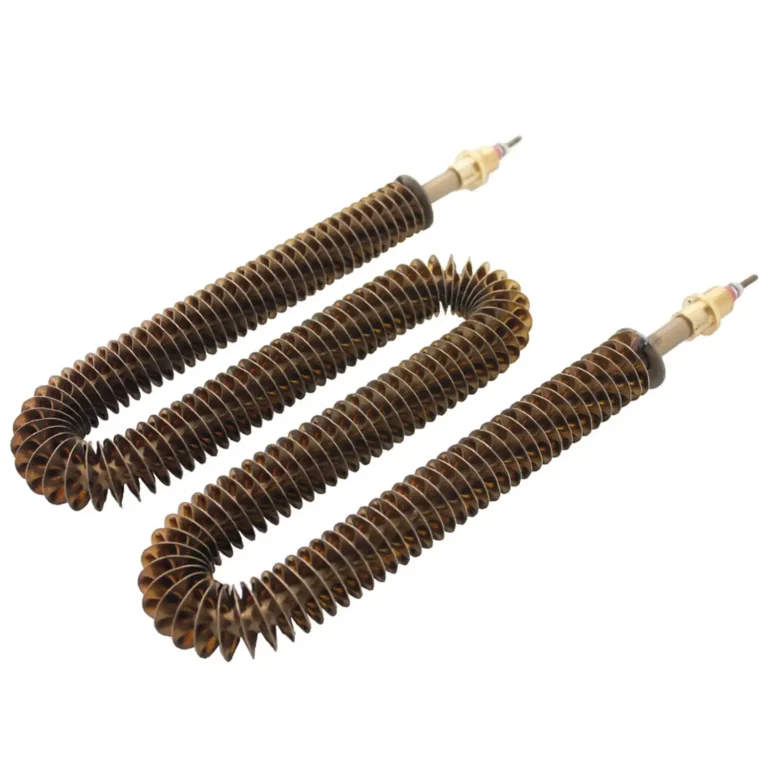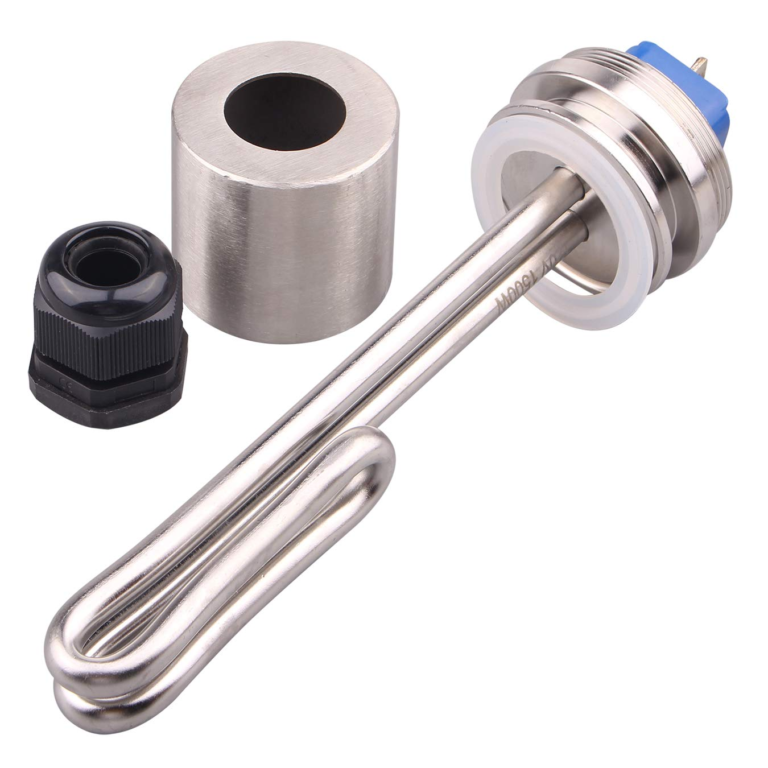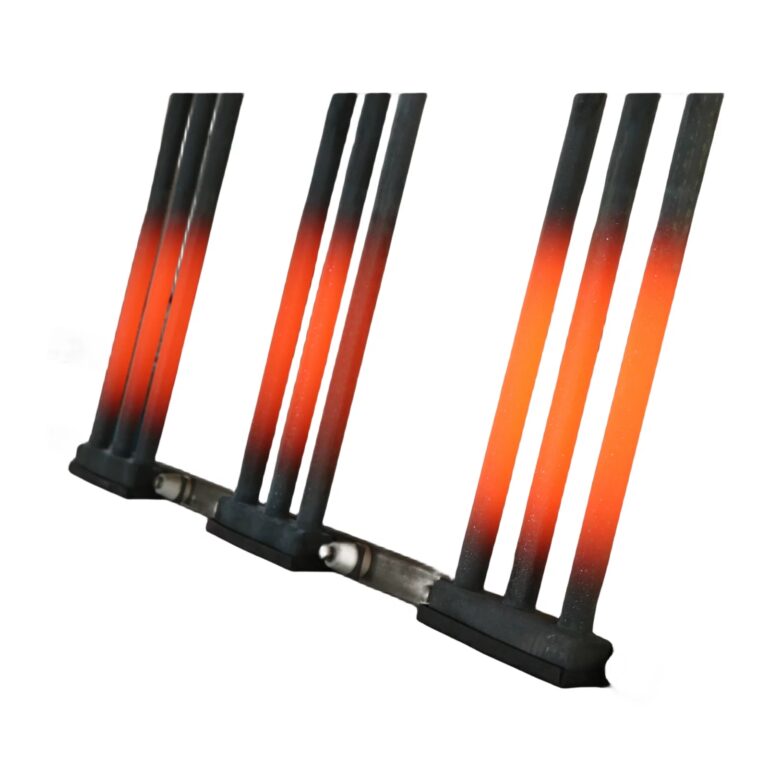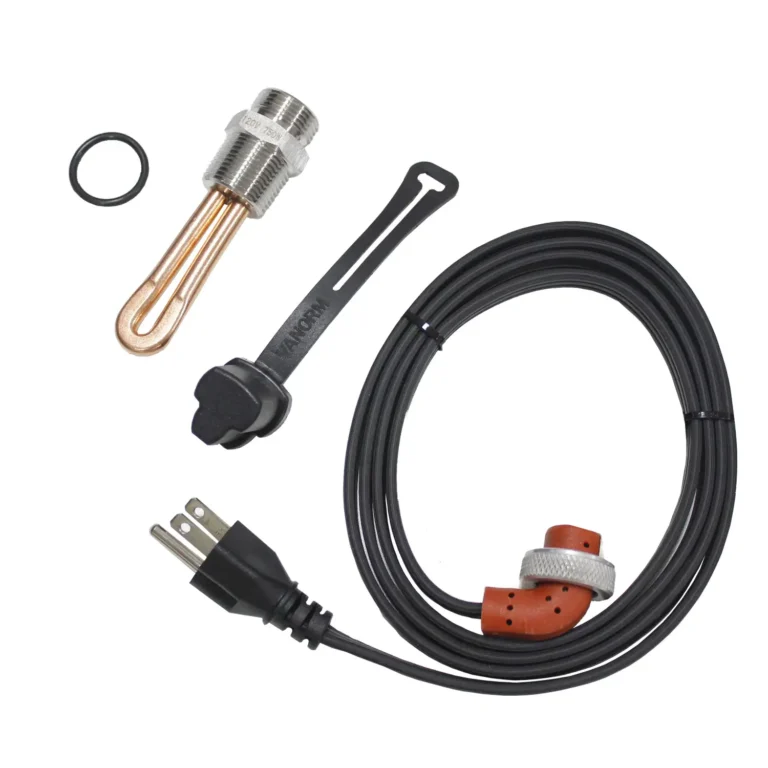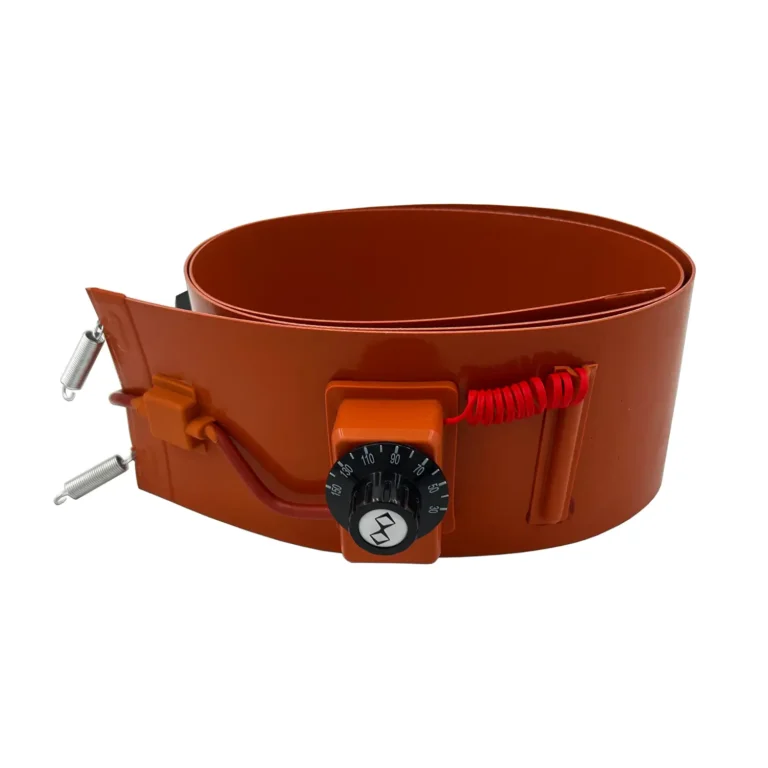
If your production line depends on industrial heating elements, 你已经知道挫败感: a heater fails three months in, the replacement takes two weeks to ship, and your entire operation stalls. The real cost isn’t the heating element itself—it’s the downtime, the scrapped batches, and the overtime scrambling to catch up.
Most premature failures in industrial heating elements trace back to one root cause: choosing a supplier based on price instead of engineering capability. A heating element that costs 15% less upfront but lasts one-third as long is not a bargain—it’s a liability.
This guide walks through the five signals that separate a manufacturer worth trusting from one that will cost you in the long run. Use these criteria whether you’re sourcing tubular, 浸没, cartridge, or custom heating elements for industrial applications.
1. Why Industrial Heating Elements Fail Prematurely
Before you can evaluate a manufacturer, understand why heating elements fail. Three dominant causes drive most early failures in industrial settings:
- Incorrect watt density for the application. Running a heating element at too high a watt density causes hot spots, 氧化, and burnout. A manufacturer that doesn’t ask about your medium (空气, 水, 油, viscous fluid) before quoting is guessing.
- Wrong sheath material. Using 304 stainless steel in a mildly corrosive environment instead of 316L or Incoloy will eat through the sheath within months.
- Poor compaction of MgO insulation. In tubular heating elements, loosely compacted magnesium oxide powder creates uneven heat transfer and internal arcing—the leading cause of early electrical failure.
A manufacturer that understands these failure modes will ask the right questions before 生产. That’s your first signal.
2. Material Sourcing: Ask Where the Resistance Wire Comes From
The single most influential factor in heating element lifespan is the resistance alloy—typically NiCr 80/20 or FeCrAl. But not all NiCr wire is equal. The difference between a 2-year element and a 5-year element often comes down to whether the manufacturer uses certified-grade resistance wire from a verified mill or unbranded commodity wire. (For a technical comparison of element configurations, see our analysis of tubular vs cartridge heater efficiency.)
When evaluating industrial heating element manufacturers, ask directly:
- Who supplies your resistance wire? Can you provide mill test certificates?
- What’s your MgO purity grade and compaction process for tubular elements?
- Do you stock multiple sheath material grades (304, 316L, 321, 铬镍铁合金 800/840)?
If the answer is vague or they can’t produce documentation, walk away. A manufacturer with 40+ years of production experience doesn’t guess on materials—they have long-standing relationships with certified mills and documented incoming inspection protocols.
3. Can They Handle Non-Standard Specifications?
Industrial applications rarely fit an off-the-shelf catalog. You need a specific wattage at a non-standard voltage, a bent tubular configuration that matches your equipment layout, or an immersion heater with a flange pattern your tank was designed around 20 years ago.
Many manufacturers will say “we do custom.” Dig deeper. A serious custom heating element manufacturer should be able to:
- Work from your CAD drawing, physical sample, or even a sketch with dimensions
- Calculate the correct watt density for your medium and operating temperature—not just copy what you asked for
- Offer engineering feedback if your spec risks premature failure
- Produce a single prototype before committing to volume
This is the difference between a manufacturer that sells heating elements and one that provides heating solutions. The latter will save you from specifying yourself into a corner.
4. Certifications That Actually Matter for Industrial Heating Elements
Certifications are not window dressing—they’re your shortcut to verifying that a manufacturer’s quality claims are backed by third-party audits. For industrial heating elements, the certifications that signal genuine manufacturing rigor include:
- CE marking – Required for European market access; confirms compliance with EU safety, health, and environmental standards
- UL recognition – Essential for North American OEMs; a UL-recognized component means the element has passed safety testing for its rated conditions
- RoHS compliance – Confirms the element is free of restricted hazardous substances
- 国际标准化组织 9001 – The baseline for consistent quality management across production batches
- CQC certification – Required for the Chinese domestic market; signals the factory operates under regulatory oversight
If a manufacturer holds CE, UL, 有害物质限制指令, CQC, and ISO 9001 simultaneously, they are producing for multiple regulated markets—which means their quality system has been audited from multiple angles. This is far more meaningful than a manufacturer’s own “质量保证” in a brochure.
5. Delivery Reliability: What Manufacturing Experience Actually Means
A late shipment of industrial heating elements doesn’t just inconvenience you—it delays your customer’s project, triggers penalty clauses, and damages your reputation as a supplier. When evaluating a manufacturer’s delivery claims, look at what’s behind them:
- Years in operation. A factory with 40+ years of manufacturing history has survived market cycles, supply chain disruptions, and demand spikes. That institutional knowledge translates to reliable production planning.
- In-house capability depth. Do they wind their own resistance coils, fill their own MgO, and form their own sheaths? Or do they outsource critical steps? More in-house steps = fewer external dependencies = more predictable lead times.
- Inventory of raw materials. Manufacturers that maintain buffer stock of common sheath materials and resistance wire can absorb rush orders without scrambling.
Ask for a realistic lead time—not the optimistic one. A manufacturer that says “4–6 weeks depending on specification” is more trustworthy than one that promises “always 2 weeks” regardless of complexity.
Putting It Together: Your Manufacturer Evaluation Checklist
Before placing an order for industrial heating elements, run through these five checks:
- Engineering conversation: Did they ask about your medium, temperature range, and duty cycle before quoting?
- Material transparency: Can they name their resistance wire supplier and provide mill certificates?
- Custom capability: Will they work from your drawing and offer engineering feedback—not just say yes to everything?
- Certification portfolio: Do they hold CE, UL, 有害物质限制指令, CQC, and ISO 9001 from active audits?
- Production track record: Does their factory history (40+ 年) and in-house capability depth support their lead time claims?
A manufacturer that passes all five checks is not just selling heating elements—they’re selling reliability. And in industrial operations, reliability is the only metric that matters.
If you’re sourcing tubular, 浸没, cartridge, or custom industrial heating elements and want to discuss your specific application, reach out below. We’ve been manufacturing heating elements for over 40 years and support OEM and ODM projects with CE, UL, 有害物质限制指令, CQC, and ISO 9001 certified production. For a deeper dive into specific heating element types, see our guide on immersion heater selection and custom sizing.