สามสัปดาห์ก่อน, คุณพบองค์ประกอบความร้อนที่ตรงกับกำลังไฟและแรงดันไฟฟ้าของคุณ. แต่เส้นผ่านศูนย์กลางคือ 0.020″ ขนาดใหญ่เกินไปสำหรับการเจาะของคุณ, สายไฟออกจากด้านที่ไม่ถูกต้องของเครื่องมือ, และคำตอบของซัพพลายเออร์ก็คือ “เราทำเฉพาะขนาดมาตรฐานเท่านั้น” ตอนนี้คุณกำลังค้นหา องค์ประกอบความร้อนที่กำหนดเอง—และคุณจำเป็นต้องรู้ว่าค่าใช้จ่ายเพิ่มเติมและระยะเวลารอคอยสินค้าจะหมดไปจริงหรือไม่.
นี่ไม่ใช่ปัญหาแค็ตตาล็อก. มันเป็นปัญหาทางวิศวกรรม. และการแก้ปัญหาเริ่มต้นด้วยการทำความเข้าใจว่าอะไรคือสิ่งที่แยกผู้ผลิตที่สร้างตามข้อกำหนดของคุณออกจากผู้ผลิตที่สร้างตามการใช้งานของคุณ. ความแตกต่างจะกำหนดว่าองค์ประกอบความร้อนที่คุณกำหนดเองจะใช้งานได้นานหรือไม่ 5 ปีหรือล้มเหลวใน 6 เดือน.
เมื่อองค์ประกอบความร้อนมาตรฐานหยุดทำงาน
องค์ประกอบความร้อนของแค็ตตาล็อกช่วยแก้ปัญหาแค็ตตาล็อก. แต่อุปกรณ์อุตสาหกรรมจริง ๆ ไม่ค่อยตรงกับแค็ตตาล็อกเลย:
- เจาะของคุณถูกกลึงให้เป็นเส้นผ่านศูนย์กลางเมตริก. เครื่องอัดรีดของเยอรมันใช้เครื่องทำความร้อนแบบตลับขนาด 11.5 มม. ขนาดจักรวรรดิสหรัฐฯ ที่ใกล้เคียงที่สุดเหลือ 0.004″ ช่องว่างอากาศ - เพียงพอที่จะลดอายุการใช้งานของเครื่องทำความร้อนด้วย 60%.
- OEM ยุติการผลิตชิ้นส่วนของคุณ. เตาบ่มอายุ 15 ปีของคุณยังคงทำงานได้อย่างสมบูรณ์, แต่องค์ประกอบความร้อนดั้งเดิมไม่ได้ผลิตอีกต่อไป. การแทนที่แบบกำหนดเองเป็นหนทางเดียวที่จะก้าวไปข้างหน้า.
- เคมีในกระบวนการของคุณเปลี่ยนไป. คุณเปลี่ยนไปใช้สารทำความสะอาดที่โจมตี 304 สแตนเลส. ซัพพลายเออร์แค็ตตาล็อกของคุณไม่เคยถามเกี่ยวกับการสัมผัสสารเคมี. ตอนนี้คุณต้องการปลอก 316L หรือ Incoloy และนั่นไม่ใช่ช่องทำเครื่องหมายในแบบฟอร์มการสั่งซื้อมาตรฐาน.
- เรขาคณิตอุปกรณ์ของคุณไม่สามารถแก้ไขได้. ชิ้นส่วนที่เป็นท่อจะต้องพันรอบส่วนประกอบภายในถัง. ไม่มีองค์ประกอบแคตตาล็อกตรงพอดี, และการดัดงอสนามจะทำลายฉนวน MgO.
สิ่งเหล่านี้ไม่ใช่กรณีขอบ. พวกเขาอธิบายคร่าวๆ 40% การสอบถามเกี่ยวกับองค์ประกอบความร้อนจากผู้ผลิตใดๆ ที่ให้บริการลูกค้าในภาคอุตสาหกรรม. สำหรับภาพรวมที่กว้างขึ้นของประเภทองค์ประกอบก่อนที่จะเจาะลึกการปรับแต่ง, ดูคำแนะนำของเรา องค์ประกอบความร้อนไฟฟ้าหลักสามประเภท.
5 คำถามที่ต้องถามก่อนสั่งซื้อองค์ประกอบความร้อนแบบกำหนดเอง
ความแตกต่างระหว่างองค์ประกอบที่กำหนดเองที่ใช้งานได้กับองค์ประกอบที่ไม่ได้ไม่ค่อยอยู่ในข้อกำหนดที่คุณระบุ. มันอยู่ที่คำถามที่ผู้ผลิตถาม—หรือไม่ถาม—ก่อนการผลิต.
1. “คุณจะคำนวณความหนาแน่นของวัตต์สำหรับสื่อเฉพาะของฉันหรือไม่, หรือเพียงแค่สร้างสิ่งที่ฉันขอ?”
ความหนาแน่นของวัตต์ - วัตต์ต่อตารางนิ้วของพื้นที่ผิวของฝัก - จะต้องจับคู่กับตัวกลางที่ให้ความร้อน. น้ำทนได้ 45-60 W/นิ้ว². ความต้องการน้ำมัน 15-23 W/นิ้ว². อาจต้องใช้อากาศนิ่ง 5-10 W/นิ้ว². ผู้ผลิตที่สร้างวัตต์ตามที่คุณร้องขอโดยไม่ตรวจสอบสื่อของคุณไม่ได้ทำงานด้านวิศวกรรม พวกเขากำลังดำเนินการตามคำสั่งซื้อ. หากสเปคของคุณทำงาน 50 W/in² ในน้ำมัน, องค์ประกอบจะล้มเหลวภายในไม่กี่สัปดาห์. ผู้ผลิตที่เหมาะสมจะแจ้งเรื่องนี้ก่อนตัดโลหะ.
2. “ค่าเผื่อเส้นผ่านศูนย์กลางภายนอกของคุณอยู่ที่เท่าไร และคุณสามารถยึดไว้ได้อย่างสม่ำเสมอ?”
สำหรับเครื่องทำความร้อนแบบตลับ, มาตรฐานอุตสาหกรรมสำหรับความพอดีที่เชื่อถือได้คือ ±0.002″ บนเส้นผ่านศูนย์กลางต่ำกว่า 0.500″. หากผู้ผลิตเสนอราคา ±0.005″ หรือไม่สามารถตอบคำถามได้, ผลที่ได้คือทรงหลวมจะทำให้เกิดจุดร้อนที่ลุกลามเข้าสู่ภาวะเหนื่อยหน่าย. นี่เป็นสาเหตุที่ใหญ่ที่สุดเพียงสาเหตุเดียวที่ทำให้เครื่องทำความร้อนคาร์ทริดจ์ทำงานล้มเหลวก่อนกำหนด (ดูข้อมูลการวิเคราะห์ความล้มเหลว), และเป็นผู้ผลิตด้วย 40+ ประสบการณ์การผลิตหลายปีรู้ดีว่าทำไม.
3. “คุณสร้างต้นแบบก่อนดำเนินการผลิตหรือไม่?”
ต้นแบบจะตรวจสอบสามสิ่งก่อนที่คุณจะยอมรับกับวอลลุม: พอดีทางกล, ประสิทธิภาพทางไฟฟ้าที่อุณหภูมิใช้งาน, และการกระจายความร้อนข้ามโซนร้อน. ผู้ผลิตที่ข้ามการสร้างต้นแบบจะประหยัด 2 สัปดาห์แต่เสี่ยงต่อการผลิตทั้งชุดที่ไม่ได้ผล—เศรษฐกิจจอมปลอมที่สิ้นเปลืองทั้งเวลาและเงิน.
4. “คุณสามารถให้ใบรับรองวัสดุสำหรับลวดต้านทานและเปลือกได้หรือไม่?”
ไม่ใช่ NiCr ทั้งหมด 80/20 ลวดต้านทานมีค่าเท่ากัน. ใบรับรองการทดสอบของโรงงานจะยืนยันองค์ประกอบของโลหะผสมและติดตามวัสดุไปยังแหล่งที่มาที่ได้รับการตรวจสอบแล้ว. ผู้ผลิตที่ไม่สามารถหรือจะไม่จัดเตรียมเอกสารเหล่านี้ได้มีแนวโน้มว่าจะใช้สินค้าโภคภัณฑ์ที่ไม่มีแบรนด์, ซึ่งเป็นความแตกต่างระหว่างองค์ประกอบ 2 ปีและองค์ประกอบ 5 ปี.
5. “โรงงานผลิตของคุณมีใบรับรองอะไรบ้าง?”
เครื่องหมาย CE, การรับรู้ของ UL, การปฏิบัติตาม RoHS, การรับรอง CQC, และไอเอสโอ 9001 ไม่ใช่ตราสัญลักษณ์ทางการตลาด. เป็นการตรวจสอบจากบุคคลที่สามเพื่อยืนยันว่าระบบการจัดการคุณภาพของผู้ผลิต, การตรวจสอบย้อนกลับของวัสดุ, และการทดสอบความปลอดภัยเป็นไปตามมาตรฐานสากล. ผู้ผลิตที่ถือทั้งห้าแห่งพร้อมกันกำลังผลิตสำหรับตลาดที่มีการควบคุมหลายแห่ง ซึ่งมีความหมายมากกว่าการอ้างสิทธิ์ในตัวเองมาก “รับประกันคุณภาพ”
RFQ ที่เหมาะสมสำหรับองค์ประกอบความร้อนแบบกำหนดเองมีลักษณะอย่างไร
ยิ่งคำขอใบเสนอราคาของคุณสมบูรณ์มากขึ้นเท่านั้น, ความประหลาดใจน้อยลงในภายหลัง. รวมพารามิเตอร์ทั้งเจ็ดนี้:
- วัตต์และแรงดันไฟฟ้า- ณ จุดเชื่อมต่อ, ไม่ใช่ที่แผงเบรกเกอร์.
- เส้นผ่านศูนย์กลางและความยาว- วัดด้วยเกจวัด, ไม่ใช่คาลิปเปอร์.
- กำลังอุ่นปานกลาง-อากาศ, น้ำ, น้ำมัน, หรือของเหลวในกระบวนการ. สิ่งนี้จะกำหนดความหนาแน่นของวัตต์ที่ปลอดภัย.
- อุณหภูมิการทำงาน—อุณหภูมิที่ฝักเห็นระหว่างการทำงาน, รวมทั้งการล่วงเกินใดๆ.
- สภาพแวดล้อมทางเคมี—สารทำความสะอาด, ประมวลผลการปิดแก๊ส, ความชื้น, หรือสัมผัสถูกชะล้าง.
- การกำหนดค่าลวดตะกั่ว-ตรง, งอ, หุ้มเกราะ, หุ้มฉนวนเทฟลอน, หรือมีขั้วต่อ.
- การวาดภาพ, ตัวอย่าง, หรือองค์ประกอบที่ล้มเหลว—ตัวอย่างทางกายภาพสำหรับวิศวกรรมย้อนกลับเหมาะอย่างยิ่ง.
ผู้ผลิตที่ตอบคำถามให้กระจ่างเกี่ยวกับพารามิเตอร์เหล่านี้ แทนที่จะเป็นเพียงราคา ถือเป็นสิ่งที่คุ้มค่าที่จะร่วมงานด้วย. สำหรับข้อมูลเพิ่มเติมเกี่ยวกับการประเมินคุณภาพโดยรวมของซัพพลายเออร์, ดูคำแนะนำของเราใน เลือกผู้ผลิตองค์ประกอบความร้อนอุตสาหกรรม.
กำหนดเองเทียบกับ. แคตตาล็อก: การเปรียบเทียบต้นทุนจริง
องค์ประกอบความร้อนแบบกำหนดเองมีราคาต่อหน่วยที่สูงกว่า. ไม่มีใครโต้แย้งว่า. แต่ต้นทุนรวมในการเป็นเจ้าของกลับพลิกคณิตศาสตร์:
- แค็ตตาล็อกเครื่องทำความร้อนตลับหมึก: \$85 ต่อหน่วย, แทนที่ทุกๆ 9 เดือนเนื่องจากทรงหลวม. เกิน 3 ปี: 4 สิ่งทดแทน × \$85 = \$340 ในบางส่วน, บวกประมาณ 24 ชั่วโมงของการหยุดทำงานสำหรับการเปลี่ยนแปลงสี่ครั้ง. At a conservative \$150/hour burdened labor rate, นั่นคือ \$3,600 ในช่วงหยุดทำงาน. ค่าใช้จ่ายทั้งหมด 3 ปี: ประมาณ \$3,940.
- เครื่องทำความร้อนตลับหมึกแบบกำหนดเอง: \$280 ต่อหน่วย, ผลิตตามขนาดรูเจาะที่แน่นอนของคุณด้วยค่าเผื่อความพอดีที่ตรวจสอบแล้วที่ 0.0015″. อายุขัย: 4+ ปี. ค่าใช้จ่ายทั้งหมด 3 ปี: \$280 ในบางส่วน, การหยุดทำงานที่ไม่ได้กำหนดไว้เป็นศูนย์.
ตัวเลือกแบบกำหนดเอง — องค์ประกอบความร้อนแบบกำหนดเองที่ระบุอย่างถูกต้องซึ่งสร้างขึ้นเพื่อการใช้งานของคุณ — มีราคาไม่แพงกว่า. ราคาถูกกว่ามาก—เมื่อคุณบัญชีต้นทุนที่ไม่เคยปรากฏในใบสั่งซื้อ. คณิตศาสตร์เดียวกันนี้ใช้กับ tubular แบบกำหนดเอง, การแช่, ไมกา, และการกำหนดค่าแบบครีบ. ต้นทุนองค์ประกอบคือเสียงรบกวน. ต้นทุนการหยุดทำงานคือสัญญาณ.
กระบวนการผลิตแบบกำหนดเองทำงานอย่างไร
ผู้ผลิตองค์ประกอบความร้อนแบบกำหนดเองอย่างจริงจังต้องปฏิบัติตามกระบวนการสี่ขั้นตอน, ไม่ใช่แบบฟอร์มการสั่งซื้อแบบขั้นตอนเดียว:
- การตรวจสอบใบสมัคร. ข้อกำหนดของคุณ, การวาดภาพ, หรือตัวอย่างได้รับการตรวจสอบโดยวิศวกร ไม่ใช่พนักงานขาย ซึ่งจะตรวจสอบความหนาแน่นของวัตต์เทียบกับสื่อของคุณ, ยืนยันความเข้ากันได้ของวัสดุเปลือกกับสภาพแวดล้อมทางเคมีของคุณ, และแจ้งปัญหาที่อาจเกิดขึ้นก่อนการผลิต.
- การสร้างต้นแบบ. หน่วยเดียวถูกผลิตขึ้นตามข้อกำหนดของคุณและทดสอบความเป็นฉนวน, ความต้านทานฉนวน, และความแม่นยำของมิติ. คุณยืนยันความพอดีและประสิทธิภาพการระบายความร้อนในอุปกรณ์ของคุณ.
- ดำเนินการผลิต. เมื่อต้นแบบได้รับการอนุมัติแล้ว, การผลิตตามปริมาณดำเนินการโดยใช้วัสดุและกระบวนการที่เหมือนกัน โดยให้ความสม่ำเสมอตั้งแต่หน่วยแรกไปจนถึงหน่วยสุดท้าย.
- เอกสารคุณภาพ. การรับรองวัสดุ, รายงานการทดสอบ, และบันทึกการตรวจสอบจะมาพร้อมกับการจัดส่งสำหรับข้อกำหนดในการตรวจสอบย้อนกลับของคุณ.
นี่คือสิ่งที่แยกผู้ผลิตที่มีความลึกด้านวิศวกรรมออกจากตัวแทนจำหน่ายที่มีแค็ตตาล็อก. นี่ก็เป็นสาเหตุเช่นกัน 40+ ประสบการณ์หลายปีในการผลิตมีความสำคัญ ความรู้ของสถาบันในการระบุความหนาแน่นของวัตต์ที่เกินขอบเขตหรือวัสดุเปลือกหุ้มที่เข้ากันไม่ได้ไม่ได้มาจากแผ่นข้อมูลจำเพาะ.
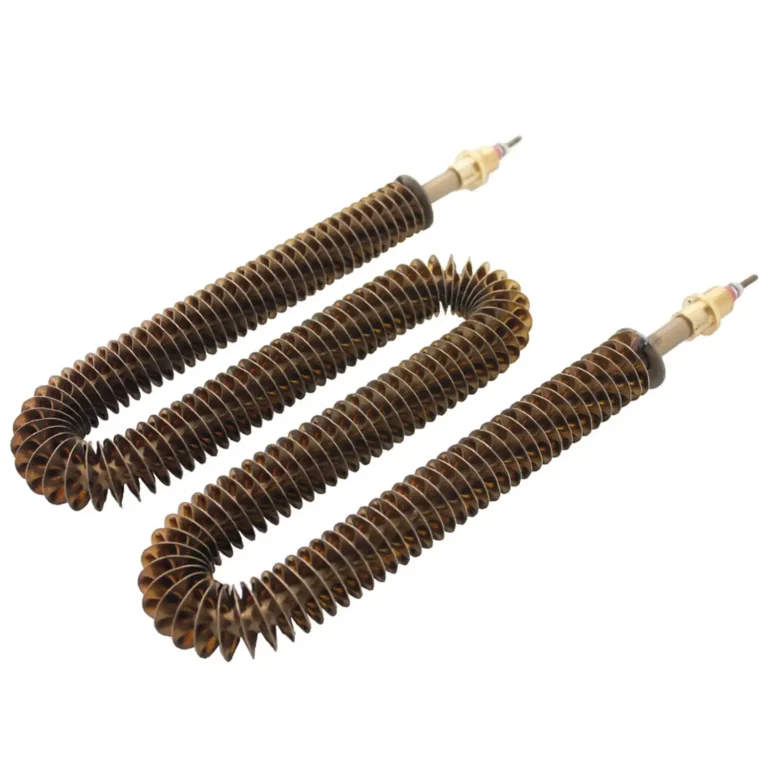
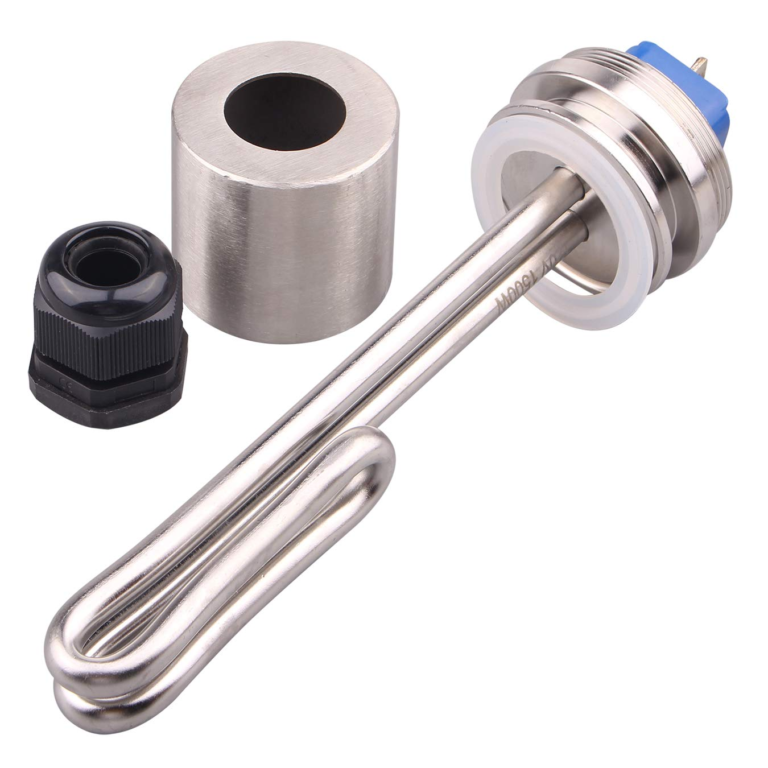
หากคุณต้องการองค์ประกอบความร้อนแบบกำหนดเอง—แบบท่อ, การแช่, ตลับหมึก, ไมกา, ครีบ, หรือยืดหยุ่น - ส่งรูปวาดของคุณมาให้เรา, ข้อกำหนด, หรือองค์ประกอบที่ล้มเหลว—เราผลิตองค์ประกอบความร้อนแบบกำหนดเองตามความต้องการที่แน่นอนของคุณ, ไม่ใช่ขนาดแค็ตตาล็อกที่ใกล้ที่สุด. เราได้รับการออกแบบและผลิตโซลูชั่นการทำความร้อนแบบกำหนดเองมานานกว่า 40 ปี, กับซีอี, แอล, เป็นไปตามมาตรฐาน RoHS, ซีคิวซี, และไอเอสโอ 9001 การผลิตที่ผ่านการรับรอง. เราสร้างต้นแบบก่อน, เราถามคำถามที่ถูกต้อง, และเรานำเสนอองค์ประกอบที่เหมาะกับอุปกรณ์ของคุณและสภาพการทำงานของคุณ.