
Introduktion till uppvärmningselement
Uppvärmningselement spelar en avgörande roll i funktionaliteten hos olika hushålls- och industriella apparater. Väsentligen, De är enheter utformade för att omvandla elektrisk energi till värmeenergi genom olika fysiska processer, därmed tillhandahålla den nödvändiga värmen för många applikationer. Betydelsen av uppvärmningselement kan inte överskattas, Eftersom de är integrerade i driften av viktiga apparater som vattenvärmare, ugnar, och torktumlare, för att nämna några.
I deras kärna, Uppvärmningselement fungerar främst på principen om Joule -uppvärmning, där en elektrisk ström som passerar genom en ledare genererar värme. Denna process inträffar på grund av motståndet som den elektriska strömmen uppstår inom värmeelementmaterialet, som vanligtvis inkluderar metaller som nikrom eller järn. Den genererade värmen överförs sedan till omgivande miljöer eller material, därmed underlätta uppgifter som matlagning av mat, torkning, eller värme vatten.
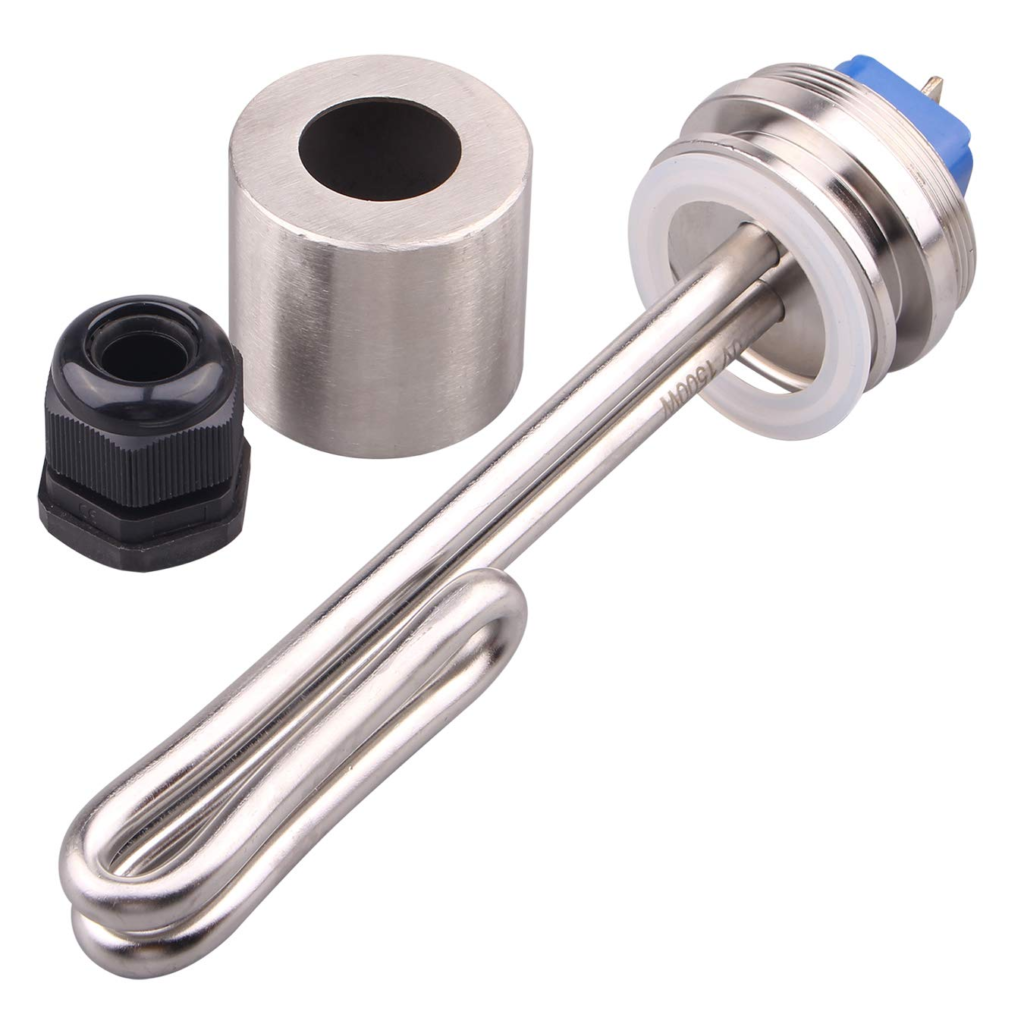
Det finns flera vanliga typer av uppvärmningselement som används i vardagliga apparater. Till exempel, Resistiva uppvärmningselement används allmänt i elektriska ugnar och brödrostar, använder en direkt form av värmeöverföring som ger effektiv matlagning eller brunning. En annan typ är fördjupningsvärmeelement, finns ofta i vattenvärmare, där elementet är nedsänkt i vätskan för att snabbt höja temperaturen. Slutligen, strålande uppvärmningselement, Vanligtvis sett i golvvärmesystem och några kokningar, fördela värme jämnare över ytorna, Förbättra komfort och matlagningseffektivitet.
Att förstå de olika typerna av uppvärmningselement och deras respektive funktioner är avgörande för att välja rätt komponent för specifika behov. Denna kunskap hjälper inte bara till apparater utan säkerställer också energieffektivitet och livslängd, i slutändan bidrar till mer hållbara användningsmetoder i våra dagliga liv.
Identifiera din apparattyp
När du väljer rätt uppvärmningselement för en apparat, Det är avgörande att först identifiera vilken typ av apparat som kräver värmeelementet. Olika apparater använder värmeelement, och varje typ har specifika egenskaper som påverkar urvalsprocessen. Anmärkningsvärda exempel inkluderar elektriska spisar, vattenvärmare, rostrostar, och ugnar. Att förstå funktionaliteten och kraven hos dessa apparater hjälper till att fatta ett informerat beslut om det lämpliga värmeelementet.
Elektriska spisar är bland de vanligaste apparaterna som förlitar sig på värmeelement. Dessa apparater använder vanligtvis spolelement eller släta ytelement, som kan vara antingen strålande eller induktionstyper. Strålningsuppvärmningselement är utformade för att värma ytan och överföra värmen till köksredskapet, Medan induktionsvärmeelement producerar ett magnetfält som direkt värmer pannan. Därför, Valet mellan dessa alternativ beror på vilken typ av matlagning som önskas och kompatibiliteten med köksredskapet som används.
Vattenvärmare är en annan väsentlig apparatkategori som använder värmeelement. Till exempel, tank-type electric water heaters often feature immersion heating elements, which can be either single or dual elements. In this case, the selection of the heating element must consider factors such as tank capacity, recovery rate, and energy efficiency. Dessutom, tankless water heaters utilize specially designed heating elements that provide on-demand heating, necessitating a distinct approach to element selection.
Toasters and ovens also incorporate heating elements, with toasters typically utilizing exposed wire elements to achieve quick heating. In contrast, ovens may use concealed heating elements for efficiency and safety. The wattage ratings, material composition, and size of the heating element can vary significantly across different appliance types. Därför, Det är viktigt att bedöma de specifika behoven och användningsmönstren för att välja det mest passande värmeelementet för varje apparat.
Förstå uppvärmningselementspecifikationer
Uppvärmningselement spelar en avgörande roll i funktionen av olika apparater, tillhandahålla nödvändig värme för processer som matlagning, torkning, och uppvärmning. Att välja lämpligt uppvärmningselement kräver en omfattande förståelse av dess specifikationer, inklusive wattage, spänning, storlek, och material. Varje specifikation påverkar apparatens prestanda och effektivitet.
Wattage hänvisar till mängden kraft som konsumeras av värmeelementet och mäts vanligtvis i watt. Högre watt innebär ökad värmeutgång, möjliggör snabbare uppvärmningstider. Omvänt, Ett värmeelement med lägre wattage kan leda till långsammare uppvärmning, vilket kan vara ineffektivt för vissa applikationer. Det är viktigt att välja en watt som är i linje med apparatens nödvändiga uppvärmningskrav för att säkerställa optimal prestanda utan överdriven energiförbrukning.
Spänning, representerar den elektriska potentialskillnaden, är en annan kritisk specifikation. Apparater arbetar med olika spänningsvärden, inklusive 120V och 240V. Att välja ett värmeelement med lämplig spänningsgrad är absolut nödvändigt, eftersom användning av ett element med en felaktig spänning kan leda till otillräcklig prestanda eller potentiellt orsaka skador på apparaten.
Storleken på värmeelementet är också avgörande. Ett värmeelement med korrekt storlek säkerställer enhetlig värmefördelning och förhindrar lokaliserad överhettning, som kan skada apparaten eller matvarorna. När du överväger storlek, Det är viktigt att hänvisa till tillverkarens specifikationer för att säkerställa kompatibilitet med apparaten.
Slutligen, Materialet i värmeelementet påverkar dess hållbarhet och effektivitet. Vanliga material inkluderar nickel-kromlegering och keramik. Varje material har unika termiska egenskaper, Påverkar hur snabbt elementet värms upp och upprätthåller värme. I sista hand, Att förstå dessa specifikationer kommer att informera användare om prestationsfunktioner och energieffektivitet för deras uppvärmningsapparat, säkerställa ett klokt urval som uppfyller deras behov.
Bestämma wattkraven
När du väljer ett värmeelement för en apparat, En av de viktigaste faktorerna att tänka på är den nödvändiga wattage. Wattage bestämmer apparatens uppvärmning och effektivitet. För att exakt bestämma den watt som krävs för din specifika apparat, Du kan följa flera riktlinjer och formler.
För det första, Det är viktigt att bedöma storleken på apparaten, Eftersom större apparater vanligtvis kräver högre wattage för att säkerställa effektiv uppvärmning. En grundläggande formel för att uppskatta den watt som behövs är W = v × a, där “W” är wattage, “V” representerar spänning, och “A” är den nuvarande i Amperes. Genom att bestämma spänningsgraden för din apparat, Du kan använda den här formeln för att beräkna den minsta watt som behövs.
Nästa, Tänk på den avsedda användningen av apparaten. Till exempel, En långsam spis kan kräva mindre watt än en ugn för kommersiell klass. För att beräkna wattage baserat på användning, du kan använda formeln: W = (Obligatorisk temperaturförändring × Volym × Materialkonstant) / Tid. This will give you a good estimate of the wattage necessary to achieve the desired heating performance for the specific material and volume you intend to heat.
For example, if you want to heat a pot of water (which typically has a specific heat capacity of 4.186 J/g°C) weighing 2000 grams to a temperature of 100°C within 10 minutes, the required change can be calculated. The formula will yield an estimated wattage that reflects your heating needs.
It is important not to overlook safety margins when determining wattage requirements. A slight overestimation can ensure reliable performance without overloading the system. Dessutom, considering the appliance’s environment and insulation will further refine your wattage selection. Ensuring that the heating element matches these wattage needs will facilitate optimal appliance performance.
Measuring Existing Heating Element
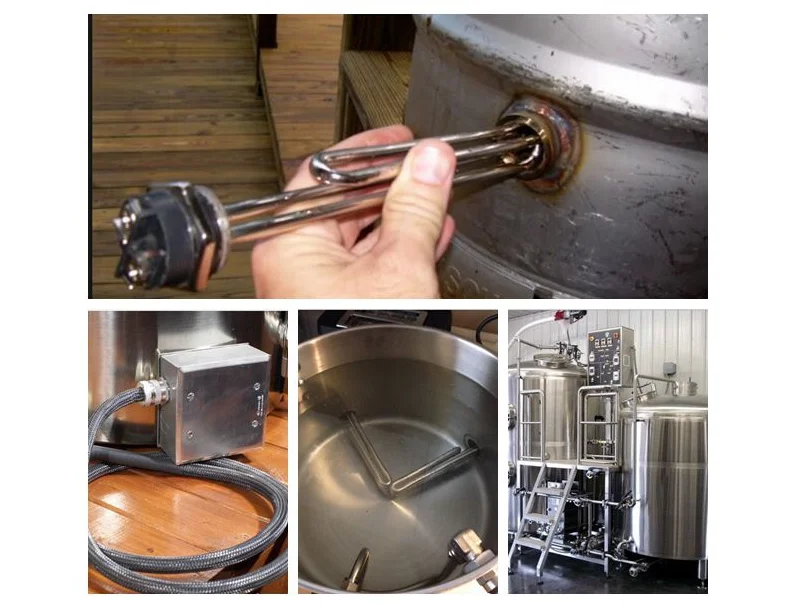
Measuring an existing heating element accurately is essential for selecting an appropriate replacement. Following a systematic approach ensures that you gather all necessary dimensions and specifications effectively. Begin by ensuring your safety; disconnect the appliance from the power source to prevent any electrical hazards. Depending on the appliance design, you may need tools such as a screwdriver or pliers to safely access the heating element.
Once the power is disconnected and the appliance is opened, gently remove the heating element. If it is secured with screws, make sure to keep these screws in a safe place for reassembly. Use caution when handling the element, as it may still be warm if the appliance was recently used; allow it to cool completely beforehand.
Using a tape measure or ruler, measure the length of the heating element from end to end. Record this measurement clearly, as it is often a crucial factor in selecting a compatible replacement. Dessutom, measure the diameter of the element, especially if it is cylindrical. This information is particularly pertinent for finding substitutes that fit the specified space.
Pay attention to the shape of the heating element, whether it is straight, coiled, or bent, and document any specific features, such as the width or attachment points. Också, identify and measure any terminals or connectors, as these dimensions will be vital when ensuring electrical compatibility with your new element.
Finally, compile all measurements and characteristics noted during the process. Accurate documentation increases the likelihood that your new heating element will match the exact specifications necessary for optimal performance. This thorough approach not only provides confidence in your choice but also enhances the efficiency and safety of your appliance once the replacement is installed.
Choosing the Right Heating Element Material
När du väljer ett värmeelement för en apparat, the choice of material can significantly influence both performance and longevity. The most common materials used for heating elements include metal alloys, keramik, and glass, each exhibiting unique properties that cater to various applications.
Metal alloys, such as nichrome, are frequently utilized due to their high resistance and ability to withstand high temperatures. These alloys provide excellent durability, vilket innebär en längre livslängd för uppvärmningselement. Dessutom, Deras effektivitet när det gäller att överföra värme gör dem idealiska för enheter som kräver snabb uppvärmning. Dock, De kan vara benägna att oxidation om de utsätts för fukt eller frätande miljöer, vilket kan äventyra deras livslängd.
Keramiska uppvärmningselement är ett annat populärt val, särskilt för deras förmåga att upprätthålla jämna temperaturer och motstå termisk chock. De är tillverkade av material som aluminiumoxid och används ofta i applikationer där konsekvent uppvärmning är väsentlig. Medan keramiska element i allmänhet är effektiva och resistenta mot slitage, de kan vara spröda och, Om misshandlad, Kan spricka under tryck. Deras kostnad tenderar att vara högre än för metalllegeringsalternativ, vilket kan vara ett övervägande för budgetmedvetna konsumenter.
Glass heating elements offer a more modern alternative, particularly in applications such as cooktops and certain types of heaters. They provide aesthetic advantages and are known for their easy cleaning capabilities. Glass elements evenly distribute heat, but they are less efficient compared to metal alloys and ceramics. Dessutom, they can be sensitive to abrupt temperature changes, making them less durable in high-stress environments.
I sista hand, the choice of heating element material should be guided by the specific needs of the appliance in question. Factors such as required durability, efficiency, and overall cost should inform the decision-making process, ensuring that the selected heating element meets both functional and economic expectations.
Consulting Product Manuals and Specifications
When it comes to determining the right heating element for your appliance, consulting product manuals and manufacturer specifications should be among the first steps taken. These documents serve as essential resources, offering critical information regarding the compatible components for each specific model. Most manufacturers provide comprehensive manuals that detail the specifications of their appliances, including the exact type of heating element required.
To effectively locate this information, start by retrieving the product manual that came with your appliance. If it is misplaced or not available, many manufacturers offer digital versions of their manuals on their websites. By searching for the model number of your appliance, which is often found on a label inside the door or on the back, you can access the appropriate documentation directly online. Once you have the manual, pay attention to the section addressing parts or components, where the specifications for the heating element are typically listed.
In addition to the manual, it is also advisable to check the manufacturer’s website for additional information and specifications. Many manufacturers include FAQs, troubleshooting guides, and forums, which can provide valuable insights and further clarify the requirements for your heating element. Another resource is online retail websites that sell replacement parts. These sites often include compatibility information that can confirm whether a particular heating element is suitable for your model.
When consulting these resources, be vigilant about noting the wattage, storlek, and type of heating element identified in the specifications. This ensures that you select a compatible model, preventing potential issues such as overheating or malfunctioning. Sammanfattningsvis, consulting product manuals and specifications is a crucial step in selecting the right heating element for your appliance, ensuring both safety and performance.
Where to Purchase Heating Elements
When it comes to sourcing heating elements for your appliance, various purchasing options are available, each offering distinct advantages. One of the most convenient avenues is local appliance repair shops. These establishments often carry a range of heating elements suitable for various appliances. Dessutom, purchasing from these shops can provide the opportunity to receive expert advice on compatibility and installation, further ensuring you choose the right product for your needs.
Another common option is online retailers. Websites such as Amazon, eBay, and specialized appliance parts websites offer a vast selection of heating elements. The benefit of shopping online is the ability to compare prices and access customer reviews, which can help in making an informed decision. Dock, when purchasing online, be mindful of the return policies and warranties associated with the heating elements. A robust return policy can be particularly beneficial if the component is incompatible or not up to your standards, allowing for hassle-free exchanges.
Manufacturer websites also serve as a reliable source for purchasing heating elements. Buying directly from the manufacturer ensures that you receive genuine parts specifically designed for your appliance model. Many manufacturers provide detailed product specifications and installation instructions, which enhance the purchasing experience. Like with online retailers, it is wise to consider the warranty options offered, as some manufacturers may provide limited warranties on their parts, which can add peace of mind to your purchase.
Before making a final decision, taking the time to read product reviews and check the ratings of different suppliers can provide deeper insights into product quality and reliability. This approach ensures that you get the best heating element for your appliance while also protecting your investment. I sista hand, each purchasing option presents unique benefits, so consider your specific needs before proceeding.
Conclusion and Additional Resources
Selecting the right heating element for your appliance is crucial for optimizing its performance and efficiency. Throughout this blog post, we discussed several factors to consider, including the type of appliance, the heating element’s compatibility, wattage requirements, and energy efficiency. By understanding these key aspects, you can make informed decisions that meet your specific needs. Dessutom, knowing how to properly install and maintain your heating element enhances the longevity of the appliance and ensures consistent functionality.
In your quest to determine the ideal heating element, exploring additional resources can be beneficial. Numerous instructional videos are available online that guide you through the selection process, offering visual aids and expert tips that may clarify your options. Websites such as YouTube and dedicated DIY platforms often feature content that tackles common issues and questions related to heating elements in various appliances.
Dessutom, engaging with community forums can provide you with valuable insights and shared experiences from other users. Websites like Reddit and appliance repair forums allow individuals to connect and discuss their challenges and successes when replacing or upgrading heating elements. These platforms encourage knowledge sharing and can serve as helpful support systems during your selection process.
As you navigate through the process of identifying the right heating element, remember to prioritize safety and adhere to manufacturer guidelines. Allowing yourself time to research different elements will yield a suitable choice that enhances the functionality of your appliance. For further assistance, consider consulting with professionals who specialize in appliance repair and maintenance to receive personalized recommendations.