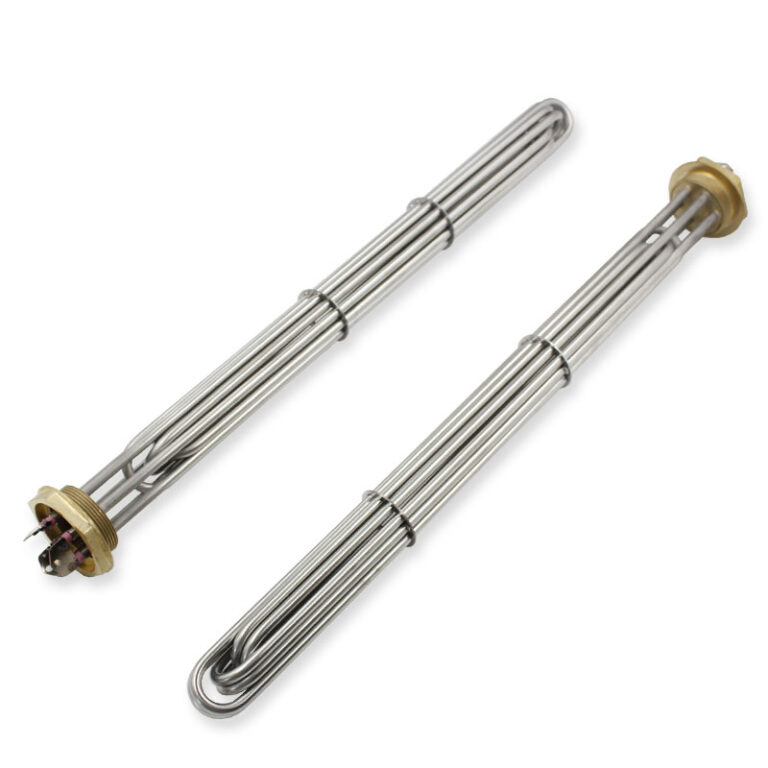
Если вы когда-нибудь сталкивались с разочарованием из-за внезапного выхода из строя промышленного обогревателя, вы знаете, что это редко бывает незначительным неудобством — это дорогостоящая остановка всей вашей производственной линии.. Часто, виновата не электрическая конструкция, но принципиальное несоответствие материала оболочки и химической среды. В Тайчжоу Юлин Электрик, после 40+ лет производства нагревательных элементов, мы видели, что выбор между Инколой 800 против 316 нержавеющая сталь является единственным наиболее важным решением для долгосрочной рентабельности инвестиций.
1. Химия сопротивления: Никель против. Баланс хрома
В промышленном отоплении, оболочка – первая линия защиты. Хотя оба 316 Нержавеющая сталь и инколой 800 обеспечить устойчивость к коррозии, они служат принципиально разным термическим и химическим целям. 316 нержавеющая сталь – это аустенитный сплав, содержащий 16-18% хром и 10-14% никель, вместе с 2% молибден. Этот молибден играет ключевую роль в предотвращении точечной коррозии в хлоридных средах.. Однако, у него есть “стеклянный потолок” когда дело доходит до температуры.
В отличие, Инколой 800 представляет собой сплав никеля, железа и хрома, 30-35% никель. В нашей независимой испытательной лаборатории, мы продемонстрировали, что повышенное содержание никеля — это не просто дополнение премиум-класса, это функциональная необходимость для предотвращения коррозионного растрескивания под напряжением. (SCC). Когда уровень никеля ниже 20% (как в 316), материал очень чувствителен к SCC под давлением, горячий, среда, насыщенная хлоридами.
2. Температурные пределы: Где 316 Не удается и 800 процветает
В реальной производственной практике, мы всегда рекомендуем 316 нержавеющая сталь для применений при температуре ниже 1200°F (650°С). Выше этой точки, 316 начинает быстро терять структурную целостность и стойкость к окислению. Инколой 800, однако, сохраняет свою прочность и сопротивляется окислению до 1500°F (815°С). Причина кроется в стабильности оксидного слоя.. При чрезвычайно высоких температурах, оксидная накипь на 316 становится пористым и “слоеный,” позволяя кислороду проникать глубже в ядро. Инколой 800 образует плотный, цепкая окалина, которая эффективно защищает металл от дальнейшего разрушения.
3. Химическая совместимость: Битва с хлоридами
При оценке поставщиков погружных нагревателей для химической промышленности, самый большой риск – это концентрация хлоридов. 316 SS — надежный выбор для органических химикатов., Продовольственная обработка, и общее отопление воды. Но если ваш процесс предполагает использование тяжелого рассола, морская вода, или летучие химические вещества, выделяющие хлориды, Инколой 800 это лучшая инвестиция. В нашем 40 годы инженерного дела, мы видели 316 нагреватели выходят из строя в течение нескольких недель в средах с высоким содержанием хлоридов, где Incoloy 800 длилось годами.
4. Анализ рентабельности инвестиций: Первоначальная стоимость против. Общая стоимость владения
Это правда, что Инколой 800 обогреватели обычно имеют 20-30% ценовая премия сверх 316 SS. Однако, умные менеджеры по закупкам смотрят на полный жизненный цикл. Если нагреватель Incoloy предотвращает хотя бы одно незапланированное отключение, он окупил всю свою стоимость несколько раз. Когда мы работаем с нашими OEM-клиентами, мы используем простой расчет: (Замена труда + Потери из-за простоя + Новая стоимость единицы) / Предполагаемые месяцы службы. В агрессивной среде, Инколой 800 постоянно обеспечивает более низкие ежемесячные расходы, чем 316.
5. Контрольный список аудита поставщика: 4 Документы, которые необходимо запросить перед подписанием заказа на поставку
Прежде чем совершить крупный заказ, убедитесь, что ваш производитель может предоставить эти точки проверки:
- Сертификат испытаний мельницы (МТС): Запросите номер плавки и конкретный химический анализ на содержание никеля и молибдена..
- Сертификация UL/CE: Убедитесь, что конструкция продукта прошла испытания на диэлектрическую прочность и сопротивление изоляции. (Элементы Yuling полностью протестированы UL.).
- Рентгеновский или цветной пенетрантный тест: Для критических точек сварки, где элемент соединяется с фланцем..
- Записи пассивации: Гарантировать 316 элементы химически пассивированы для удаления свободного железа с поверхности..
Часто задаваемые вопросы (Часто задаваемые вопросы)
вопрос: Инколой 800 лучше для масляного отопления, чем 316?
Для общего смазочного масла, 316 все в порядке. Но для нефти с высоким содержанием серы или нефти, которая может достигать высоких температур, Инколой 800 предотвращает сульфидиацию и охрупчивание оболочки.
вопрос: Как узнать, был ли неисправный обогреватель вызван SCC??
Сбои SCC обычно проявляются нормально, трещины на ножнах, похожие на паутину, а не одно большое отверстие. Если ты видишь это, это явный признак того, что вам нужно перейти на Incoloy 800.
Обратитесь к Управление решений UL в соответствии с действующими стандартами безопасности при электрическом отоплении.