Brewing beer at home is an exciting and rewarding hobby. Mulți spații de casă se întreabă, “Do I need a heater to brew beer?” The answer to this question depends on several factors, including the style of beer you are brewing, your ambient temperature, and the conditions in your brewing area. This article will explore these factors in detail and help you determine whether a brewing heater is an essential tool for your homebrewing setup.
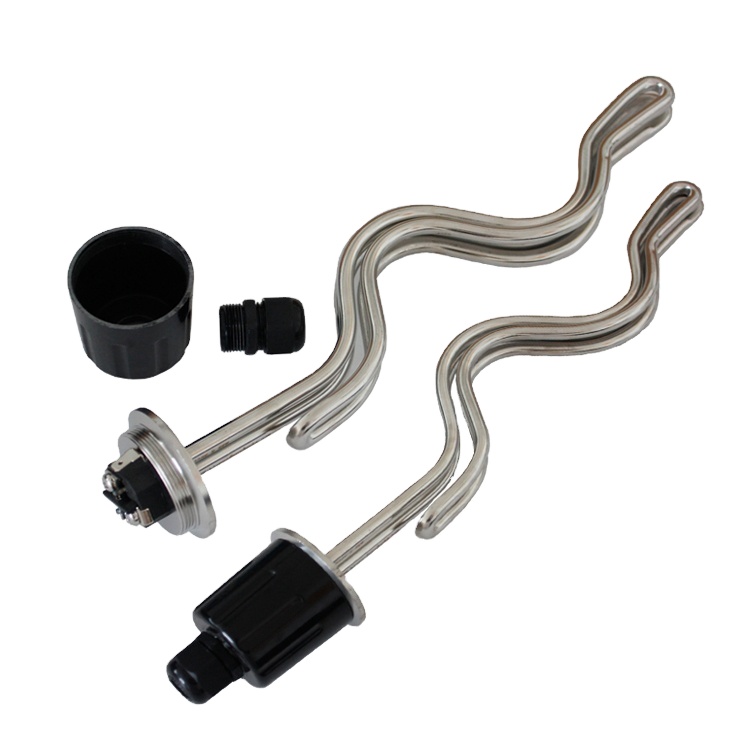
The Importance of Temperature in Brewing
Temperature plays a crucial role in the beer brewing process. Different yeast strains require specific temperature ranges to ferment optimally. Too cold or too hot, and you risk stalling the fermentation or producing undesirable flavors.
Here’s a table summarizing the typical fermentation temperature ranges for common yeast strains:
| Yeast Type | Ideal Temperature Range |
|---|---|
| Ale Yeast | 60°F to 72°F (15°C to 22°C) |
| Lager Yeast | 45°F to 55°F (7°C to 13°C) |
| Belgian Yeast | 65°F to 80°F (18°C to 27°C) |
| Wild/Brett Yeast | 60°F to 80°F (15°C to 27°C) |
Ale Yeasts
Ale yeasts are known for thriving in warmer temperature ranges, typically between 60°F to 72°F (15°C to 22°C). A brewing heater might not be necessary if your ambient temperature remains within this range. Cu toate acestea, fluctuations in temperature can adversely affect the fermentation process, leading some brewers to invest in a brewing heater to maintain a consistent environment.
Lager Yeasts
Lager yeasts, on the other hand, prefer cooler temperatures, generally between 45°F to 55°F (7°C to 13°C). If you live in a warmer climate, a brewing heater may not be sufficient to achieve these low temperatures. Instead, a cooling solution, such as a fermentation chamber with a temperature controller, would be more suitable.
Belgian and Specialty Yeasts
Belgian and specialty yeasts often require higher temperatures to bring out their unique flavor profiles. If brewing these styles during colder months or in a naturally cooler environment, a brewing heater can be highly beneficial, ensuring that the yeast ferments at the optimal temperature.
Types of Brewing Heaters
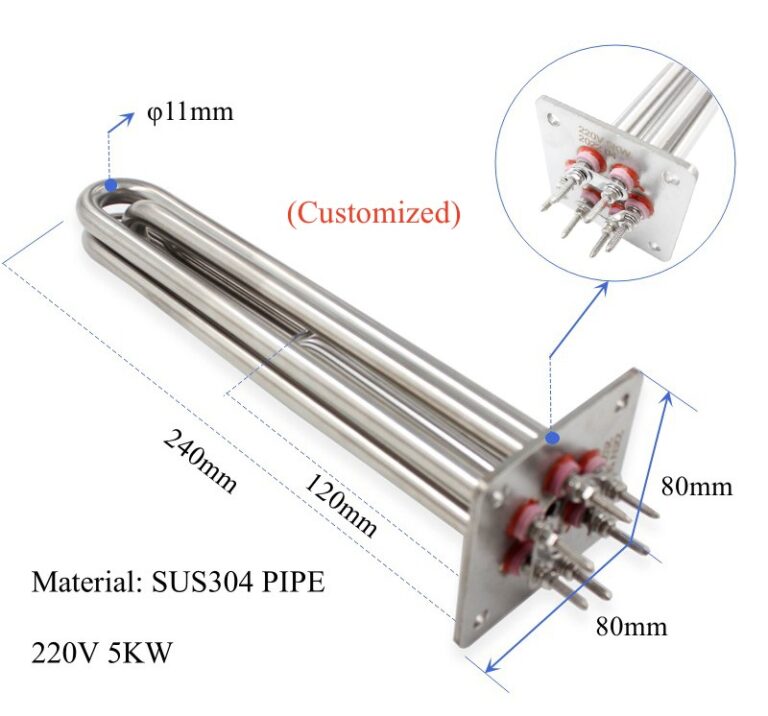
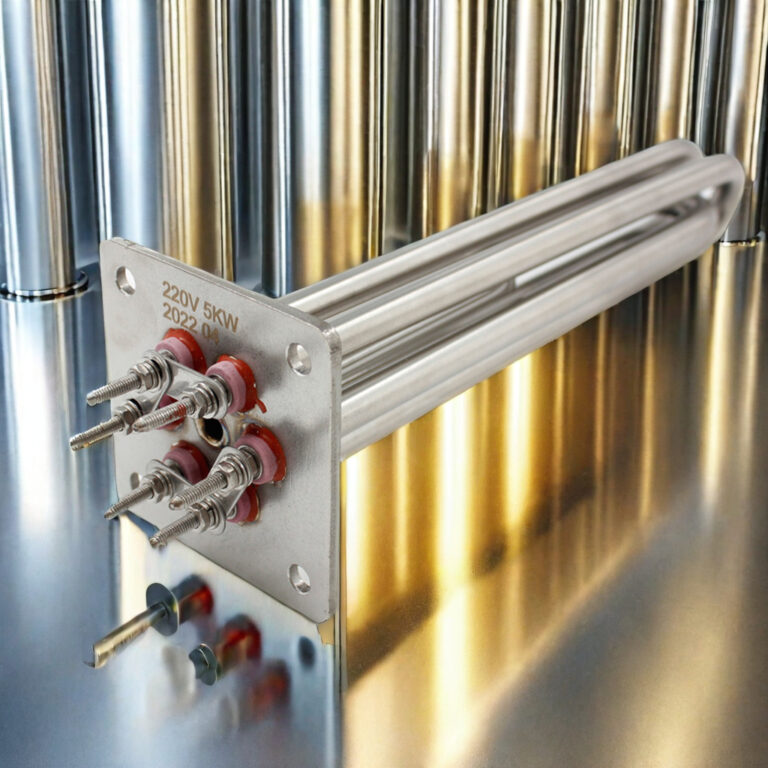
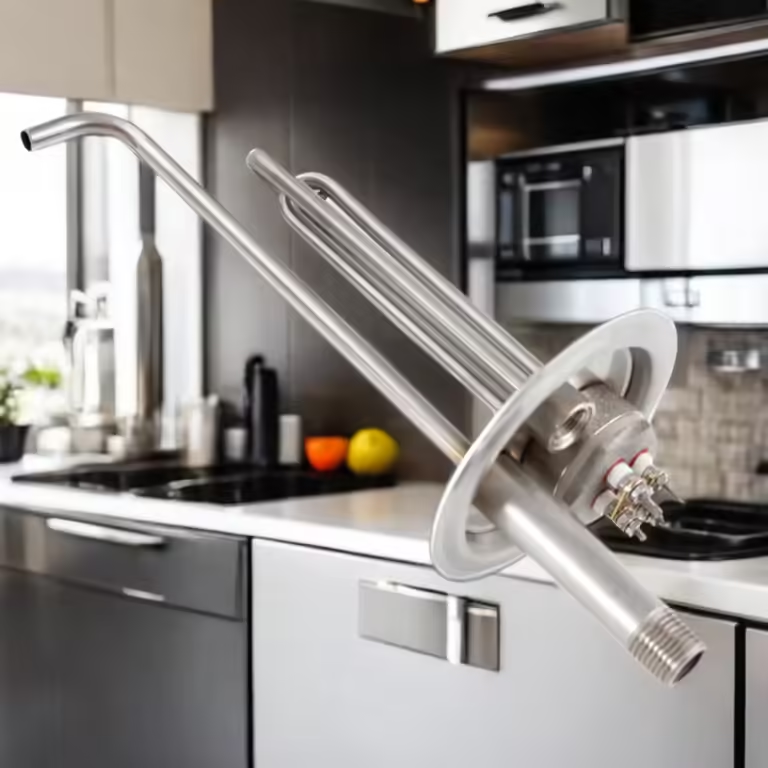
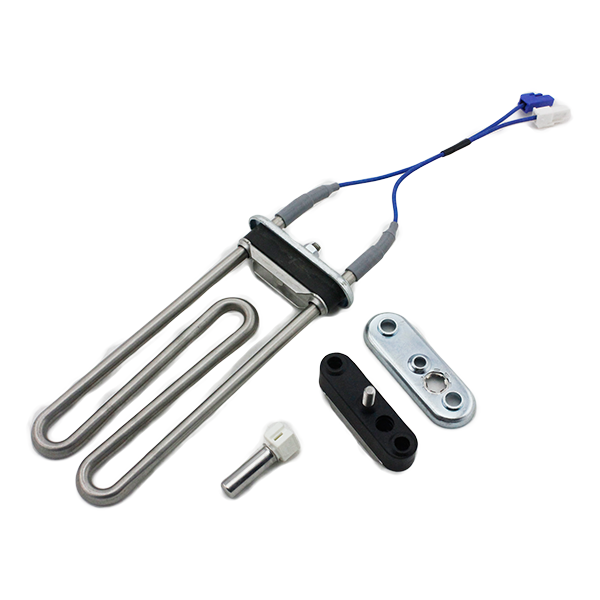
There are several types of brewing heaters available, and the choice depends on your specific needs and setup. Here are some common options:
Heating Wraps and Belts
Heating wraps and belts are designed to fit around your fermentation vessel, providing gentle and consistent heat. They are easy to use and can be paired with a temperature controller to maintain precise temperatures.
Heating Pads
Heating pads can be placed underneath your fermentation vessel, providing a uniform heat source from the bottom. Some advanced models come with temperature settings and controls.
Fermentation Chambers
Fermentation chambers are insulated enclosures that house your fermentation vessel. Equipped with both heating and cooling mechanisms, they offer precise temperature control, ensuring optimal fermentation conditions year-round.
DIY Solutions
For those on a budget, DIY solutions like using a space heater in a small enclosed area or repurposing a refrigerator with a temperature controller can be effective. Cu toate acestea, these methods often require more monitoring and adjustments.
Evaluating Your Need for a Brewing Heater
To determine whether you need a brewing heater, consider the following factors:
Ambient Temperature
Assess the typical temperature range in your brewing area. If it falls within the optimal range for your chosen yeast strain, a heater may not be necessary. Cu toate acestea, if temperatures fluctuate significantly, investing in a brewing heater can help maintain a stable environment.
Consistency
Consistency is key to successful brewing. Temperature swings can stress the yeast, leading to off-flavors and stalled fermentation. A brewing heater with a temperature controller can provide the consistency needed for high-quality beer.
Seasonal Changes
If you brew beer year-round, consider how seasonal changes impact your brewing environment. A heater might be essential during colder months to keep your fermentation temperatures within the desired range.
Style of Beer
The style of beer you brew most frequently also influences your need for a brewing heater. Ales, which ferment at higher temperatures, may not require additional heating in warmer climates, while lagers and certain specialty beers might benefit from controlled heating.
Conclusion
A brewing heater can be an invaluable tool for homebrewers looking to maintain precise fermentation temperatures, especially in colder climates or during certain times of the year. By considering your ambient temperature, consistency needs, seasonal variations, and the style of beer you’re brewing, you can determine whether investing in a brewing heater is right for you. Happy brewing!