Quando uma unidade de tratamento de ar fornece menos calor do que sugere sua placa de identificação, o problema raramente é resolvido simplesmente adicionando mais energia elétrica. Uma bobina suja, densidade excessiva das barbatanas, fluxo de ar fraco, ou um sensor de temperatura incorreto pode transformar um bom aquecedor em uma restrição ineficiente. Esse aquecedores tubulares com aletas para HVAC guia explica como avaliar a transferência de calor, fluxo de ar, controles, e manutenção antes de aprovar um projeto de substituição.
Conteúdo

Por que as aletas melhoram o desempenho do aquecimento do ar?
O ar transfere o calor de forma menos eficaz do que a água ou o óleo, portanto, um tubo descoberto exposto pode precisar de uma grande área de superfície ou de um longo caminho de fluxo de ar. As aletas estendem a área de contato entre o metal aquecido e o ar em movimento, permitindo que aquecedores tubulares com aletas para HVAC forneçam calor útil dentro de um duto compacto ou gabinete de tratamento de ar.
Esse benefício depende do fluxo de ar que atinge a superfície da aleta. Em nossa prática de fabricação, tratamos o espaçamento das barbatanas, layout do tubo, direção de montagem, e carregamento elétrico como um sistema de design. Um tubo com aletas que é poderoso no papel ainda pode ter um desempenho inferior se o ar desviar da seção ativa.
Como você deve equilibrar a transferência de calor e a queda de pressão?
Mais nadadeiras não são automaticamente melhores. Um espaçamento mais apertado aumenta a área de superfície disponível, mas também pode aumentar a queda de pressão e dificultar a remoção da poeira. O equilíbrio correto para aquecedores tubulares com aletas para HVAC depende da curva do ventilador, condição do filtro, ruído permitido, e o aumento de temperatura exigido pelo sistema HVAC.
Antes de selecionar aquecedores tubulares com aletas para HVAC, registrar três entradas de projeto sob condições definidas: volume de fluxo de ar em m³/h, velocidade facial em m/s, e aumento de temperatura necessário em °C. Esses valores permitem que o fornecedor verifique a carga térmica e a distribuição do fluxo de ar em vez de cotar apenas a tensão e a potência.
Durante o comissionamento, medir a temperatura do ar de entrada e saída na mesma configuração de fluxo de ar. Uma grande diferença entre a esquerda, centro, e leituras corretas podem indicar desvio, um banco de aquecedor desigual, ou uma localização do sensor que não representa o ar fornecido.
Como a densidade de watts afeta a vida útil do aquecedor tubular com aletas?
A densidade de watts descreve a carga elétrica aplicada à superfície de aquecimento ativa. Em um sistema de ar, fluxo de ar insuficiente remove menos calor dos aquecedores tubulares com aletas para HVAC, então a temperatura do elemento pode aumentar mesmo quando a temperatura ambiente parece normal. É por isso que os intertravamentos dos ventiladores e os interruptores de prova de fluxo de ar são importantes dispositivos de proteção.
Para cada projeto, peça ao fabricante para indicar a carga superficial proposta em W/cm² ou W/in², a condição de fluxo de ar mínimo, e a temperatura máxima permitida da bainha. Esses três valores fornecem às equipes de manutenção um limite prático para diagnosticar superaquecimento, em vez de depender de uma descrição genérica de “serviço pesado”..
Nosso trabalho OEM abrange elementos de aquecimento tubulares personalizados para HVAC, fornos, e máquinas industriais. Com 40+ anos de experiência em aquecimento e UL, CE, CQC, e credenciais de qualidade ISO9001 registradas no perfil da nossa empresa, podemos revisar as restrições elétricas e mecânicas juntos antes da produção.
Quais materiais de bainha e aleta se adaptam ao seu ambiente HVAC?
A seleção de materiais para aquecedores tubulares com aletas para HVAC deve seguir a química do ar, temperatura operacional, umidade, e método de limpeza. O aço inoxidável pode ser adequado para muitas aplicações gerais de aquecimento de ar, enquanto ligas mais resistentes à corrosão podem ser justificadas perto de ar salgado, vapores químicos, ou condições de lavagem agressivas.
As barbatanas também precisam de um plano prático de manutenção. Os depósitos de poeira reduzem a área efetiva de transferência de calor e podem criar pontos quentes entre as aletas. Especifique o acesso de limpeza, arranjo de filtro, e intervalo de inspeção na fase de projeto para que o aquecedor não se torne uma restrição oculta no caminho do ar.
O que você deve comparar antes de escolher um banco aquecedor?
| Variável de projeto | O que documentar | Por que isso importa |
|---|---|---|
| Fluxo de ar | Volume, velocidade facial, e condição mínima do ventilador | Confirma a remoção de calor e limita a temperatura da bainha |
| Carga elétrica | Tensão, fase, circuitos encenados, e carga superficial | Suporta seleção de controle e evita sobrecarga |
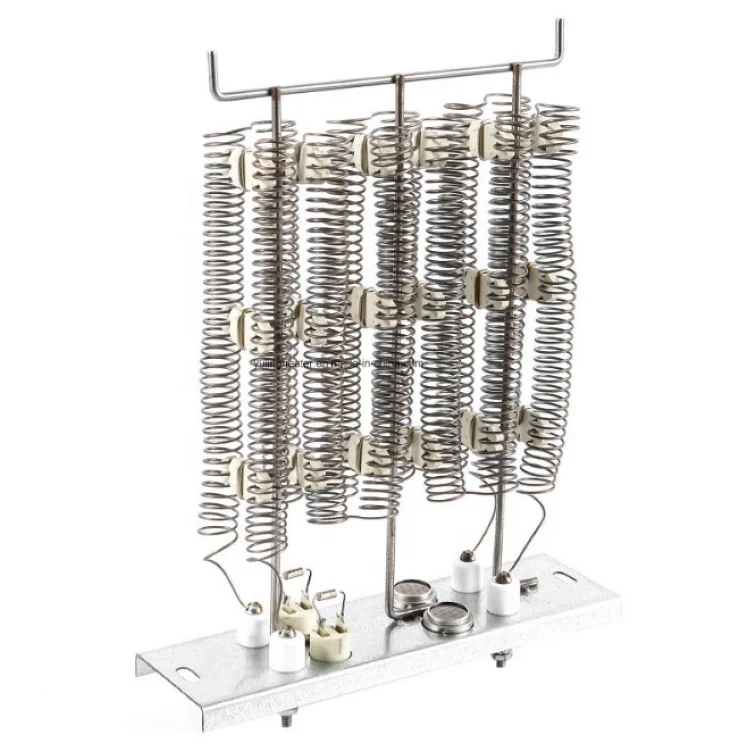
| Ajuste mecânico | Tamanho do quadro, layout do tubo, espaçamento entre aletas, e acesso ao serviço | Reduz o desvio, vibração, e problemas de limpeza |
| Ambiente | Umidade, contaminantes, lavagem, e exposição à corrosão | Bainha de guias, barbatana, selo, e escolhas de terminais |
Esta comparação é útil ao avaliar duas cotações que mostram a mesma potência total. A opção de custo mais baixo pode usar um passo de aleta diferente, menos estágios de controle, ou um material de bainha inadequado, transferindo o custo para energia do ventilador, trabalho de limpeza, e substituição antecipada.
Para contexto adicional do produto, compare nosso aplicação de elemento de aquecimento de aleta com o mais amplo guia de seleção de elemento de aquecimento industrial. Se o seu sistema exigir uma especificação personalizada, nosso Guia de fabricação OEM explica as informações necessárias para revisão de engenharia.
Lista de verificação de auditoria de fornecedor: 5 Documentos a serem solicitados antes de assinar um pedido de compra
- Folha de design térmico: Solicite o serviço térmico, condição de fluxo de ar, aumento de temperatura, e margem de projeto declarada.
- Desenho elétrico: Confirme a tensão, fase, estágios do circuito, layout do terminal, e intertravamentos de controle.
- Certificado de material: Verifique se os materiais do tubo e das aletas correspondem às condições de umidade e corrosão.
- Desenho dimensional: Verifique as dimensões do quadro, espaçamento entre aletas, pontos de montagem, e folga de serviço contra o gabinete.
- Relatório de inspeção pré-embarque: Confirme a resistência, isolamento, inspeção visual, rotulagem, e embalagem antes do envio.
Para referências de segurança elétrica, consultar Soluções UL. Peça ao fornecedor para identificar quais registros de certificação e testes se aplicam ao conjunto exato do aquecedor HVAC, não apenas para uma família geral de componentes.
Perguntas frequentes
P: Os aquecedores tubulares com aletas são adequados para todos os sistemas HVAC??
Eles são adequados para muitos dutos, manipulador de ar, forno, e aplicações de ar de processo quando o fluxo de ar, carga superficial, e a folga são projetadas corretamente. Solicite uma revisão térmica se o fluxo de ar variar significativamente durante a operação.
P: Faça mais aletas sempre aumentando a eficiência do aquecimento?
Não. Mais aletas podem aumentar a área de superfície, mas também podem aumentar a queda de pressão e o risco de incrustações. Compare o dever térmico, capacidade do ventilador, espaçamento entre aletas, e limpeza de acesso sob a condição real de operação.
P: O que causa o superaquecimento de um aquecedor com aletas em um gabinete HVAC?
As causas comuns incluem baixo fluxo de ar, um fã fracassado, um filtro bloqueado, mau controle de desvio, ou um sensor que está lendo o local errado. Um intertravamento do ventilador e um sinal de prova de fluxo de ar devem ser verificados antes de substituir o elemento.
P: Quais informações são necessárias para uma cotação personalizada de aquecedor HVAC?
Envie o volume de ar, temperatura de entrada, temperatura de saída alvo, tensão disponível, fase, dimensões do gabinete, cronograma operacional, e meio ambiente. Usamos esses detalhes para avaliar o banco de aquecimento e os requisitos de montagem antes de cotar.
Para aquecedores tubulares com aletas para revisão de HVAC, envie para nossa equipe seu fluxo de ar, aumento de temperatura, fornecimento elétrico, e dimensões do gabinete. Avaliaremos a aplicação antes de recomendar um banco de aquecedores.