In chemical processing, refining, and industrial solvent storage, a single electrical spark or overheated element sheath can ignite ambient volatile vapors and cause catastrophic plant damage. Selecting certified explosion proof immersion heaters is not simply a matter of enclosing terminals in heavy metal. It requires complete engineering alignment between hazardous area classifications, maximum sheath surface temperatures, kohászat, and certified safety interlocks.
What Defines Hazardous Area Compliance for Chemical Immersion Heaters?
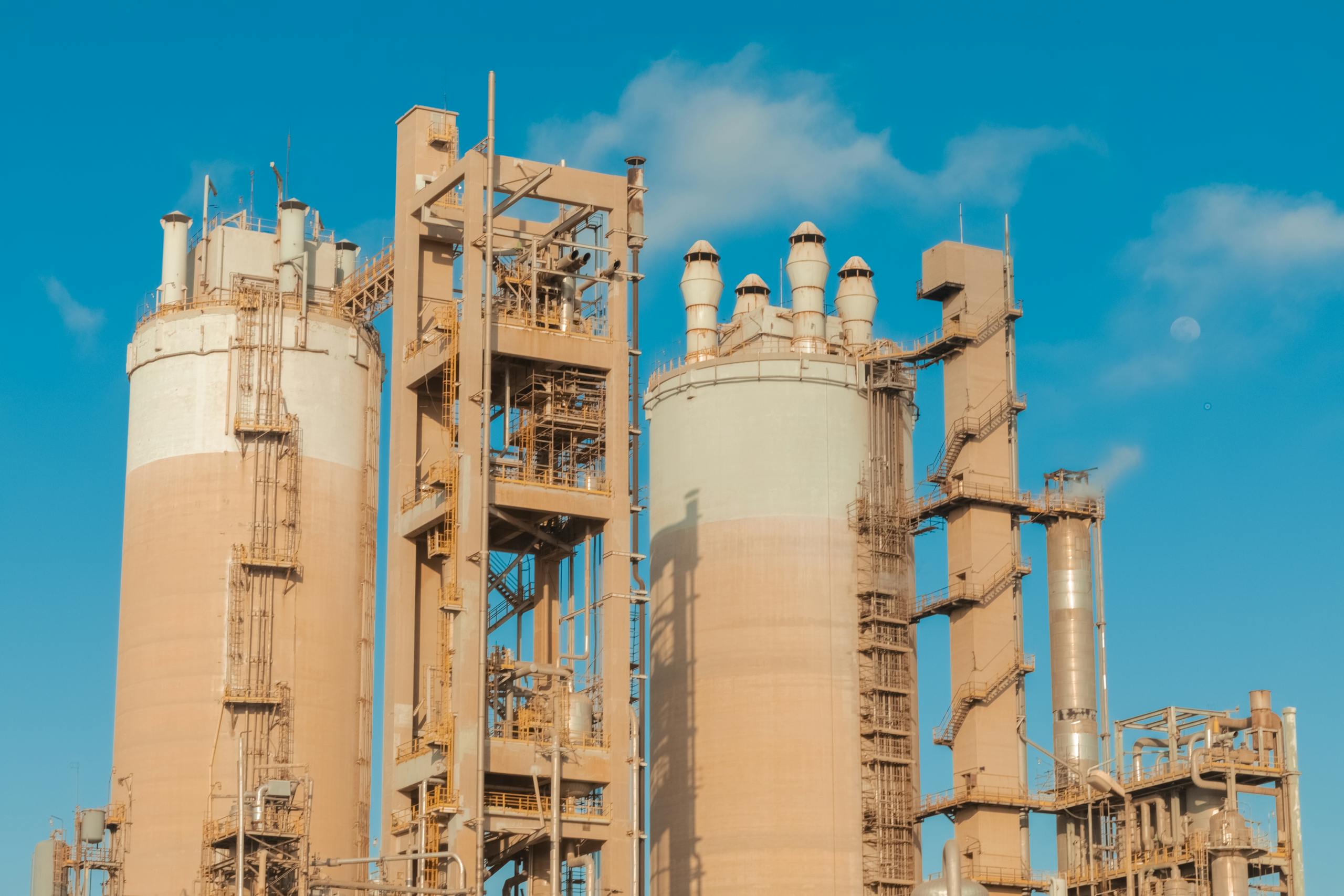
Hazardous locations are defined by the presence or potential presence of flammable gases, vapors, liquids, or combustible dusts. In chemical processing tanks, space above the liquid level often contains flammable solvent vapors during normal operations or process upsets.
An explosion-proof design operates on containment rather than vapor exclusion. The flameproof enclosure is engineered to contain an internal gas ignition without allowing flames or burning gases to escape into the surrounding hazardous atmosphere.
When specifying explosion proof immersion heaters, engineers must verify that flame paths, flange joints, and threaded conduit entries meet mechanical tolerance limits. This mechanical precision prevents internal flashover from propagating into external chemical processing environments.
How Do ATEX, IECEx, and North American UL Standards Differ?
Global procurement requires navigating distinct regulatory frameworks. In North America, the National Electrical Code (NEC) classifies environments by Class, Division, and Group, with Class I Division 1 covering areas where flammable concentrations exist continuously or intermittently.
In Europe and international markets, the ATEX Directive and IECEx system utilize a three-zone framework, where Zone 1 represents areas where explosive gas atmospheres are likely to occur in normal operation. While both systems ensure safety, their labeling, testing protocols, and documentation requirements differ significantly.
Procuring explosion proof immersion heaters without confirming regional certification acceptance can lead to severe commissioning delays and rejected plant safety audits. Buyers must require equipment certified specifically for the project installation territory.
Why Is T-Class Surface Temperature Control Critical in Flammable Media?
Every flammable gas or solvent vapor has a specific auto-ignition temperature at which it catches fire without a spark. Temperature identification numbers, known as T-Classes from T1 (450°C) down to T6 (85°C), define the maximum allowable surface temperature of any component in contact with the atmosphere.
Immersion heating elements operate inside fluids where sheath surface temperature is influenced by fluid circulation, folyadékszint, and surface watt density. If liquid levels drop or fluid flow stops, element surface temperatures can spike rapidly and exceed the auto-ignition threshold of the surrounding chemical vapor.
In our custom manufacturing practice, we integrate internal skin thermocouples and over-temperature safety cutoffs directly onto the element bundle. This dual-sensor design ensures that explosion proof immersion heaters shut down automatically before sheath temperatures reach critical thermal limits.
How Does Terminal Enclosure Standoff Protect Against Electrical Ignition?
Chemical tanks operating at elevated temperatures transfer substantial conductive heat from mounting flanges toward the electrical terminal housing. If the junction box absorbs excessive heat, terminal wiring insulation degrades and certified flameproof sealing compounds can crack over time.
To isolate high-temperature tank flanges from the junction box, engineers incorporate a vented standoff or extended cold section between the vessel flange and terminal enclosure. This physical separation allows ambient air circulation to dissipate heat before it reaches electrical connections and cable glands.
At Vanorm, our 40+ years of electrical heating engineering expertise ensures that every terminal enclosure is designed with adequate thermal isolation. This construction guarantees that internal terminal temperatures remain well within certified operating ranges during full-load heating cycles.
What Material and Watt Density Considerations Apply to Chemical Tanks?
Chemical aggressiveness dictates sheath metallurgy. While standard water heating uses stainless steel 304 or 316L, corrosive chemical media often require high-nickel alloys like Incoloy 800, Incoloy 825, Hastelloy, or custom fluoropolymer coatings to resist pitting and stress corrosion cracking.
Watt density must be tailored to the specific chemical properties of the heated liquid to prevent fluid coking and thermal decomposition. For viscous chemicals or heavy hydrocarbons, surface watt density must be reduced below 2.5 W/cm² to ensure stable heat transfer without local thermal degradation.
Applying correctly engineered explosion proof immersion heaters prevents premature sheath corrosion and ensures consistent heat transfer throughout extended operational campaigns. Matching chemical composition with appropriate alloy selection avoids unexpected production halts and lowers long-term plant maintenance costs.
How Do Global Hazardous Location Standards Compare for Heaters?
| Standard Framework | Applicable Region | Zone / Division Level | Typical Enclosure Type | Certification Mark |
|---|---|---|---|---|
| ATEX Directive 2014/34/EU | European Union & UK | Zone 1 / Zone 2 | Ex d (Flameproof) / Ex e | CE Ex II 2G |
| IECEx System | International Global | Zone 1 / Zone 2 | Ex db / Ex eb | IECEx Certificate |
| NEC 500 (UL 1203 / CSA) | United States & Kanada | Class I Division 1 & 2 | NEMA 7 / Explosion-Proof | cULus Listed |
| NEC 505 (Zone System) | Észak Amerika (Optional) | Class I Zone 1 & 2 | AEx d / AEx e | UL HazLoc Mark |
For detailed equipment testing and global compliance guidelines across explosive atmospheres, review the international certification services from UL megoldások. Adhering to verified testing protocols ensures that hazardous area heating systems satisfy all site safety standards.
To connect hazardous heating design with related engineering principles, explore our wattsűrűség számítási útmutató, our Teflon coated heating elements guide, és a miénk custom OEM heating element manufacturing process. These technical references help buyers evaluate complete heating specifications.
Szállítói ellenőrzési ellenőrzőlista: 5 Megrendelés aláírása előtt igényelhető dokumentumok
- Hazardous Location Certification Certificate: Official certificate copies from accredited bodies verifying ATEX, IECEx, or UL compliance for the specific gas group and temperature class.
- Hydrostatic Pressure and Flange Test Report: Factory test records confirming pressure vessel flange integrity and weld quality under specified operating pressures.
- Skin Temperature and Over-Temperature Limit Calculations: Engineering validation proving that element sheath temperatures will not exceed the designated T-Class under worst-case stagnant fluid conditions.
- Dielectric Withstand and Insulation Resistance Documentation: High-voltage insulation test records proving zero leakage between active circuits and ground enclosures under high-humidity conditions.
- Flameproof Enclosure Drawing and Schedule of Limitations: Certified dimensional drawings detailing flame path lengths, gap tolerances, conduit thread specifications, and ambient operating limits.
Sourcing explosion proof immersion heaters requires verification of formal laboratory certifications rather than relying on generic commercial promises. Demanding complete compliance documentation protects your plant personnel and ensures long-term operational uptime.
Gyakran Ismételt Kérdések
K: What is the primary difference between explosion-proof and standard industrial immersion heaters?
Explosion-proof heaters feature heavy cast flameproof terminal enclosures, certified flame paths, and integrated skin temperature limiters to prevent internal sparks from igniting external hazardous atmospheres. Standard heaters lack certified containment housings and cannot be safely deployed in hazardous volatile areas.
K: How do you determine the correct T-Class rating for an explosion-proof chemical heater?
The required T-Class is determined by identifying the lowest auto-ignition temperature among all chemical vapors present in the surrounding plant atmosphere. The heater maximum sheath and enclosure temperature must remain safely below that chemical auto-ignition point across all operating scenarios.
K: Can explosion proof immersion heaters be customized for corrosive acid tanks?
Igen, custom heating elements can be fabricated using specialized corrosion-resistant alloys including Incoloy 825, Hastelloy C-276, Titanium, or heavy fluoropolymer sleeves. Material selection must evaluate both chemical compatibility and structural pressure containment requirements.
K: What information should be provided to request an explosion-proof heater quotation?
Specify the hazardous area classification, chemical composition of the heated medium, operating voltage, required kilowatt rating, vessel flange dimensions, maximum design pressure, and target T-Class. Our engineering team will review your specifications to deliver a fully compliant custom heating solution.
For custom engineering support on explosion proof immersion heaters, share your chemical medium, operating voltage, flange dimensions, and hazardous area classification with our technical team. We will review your process requirements to deliver a safe, certified thermal solution.