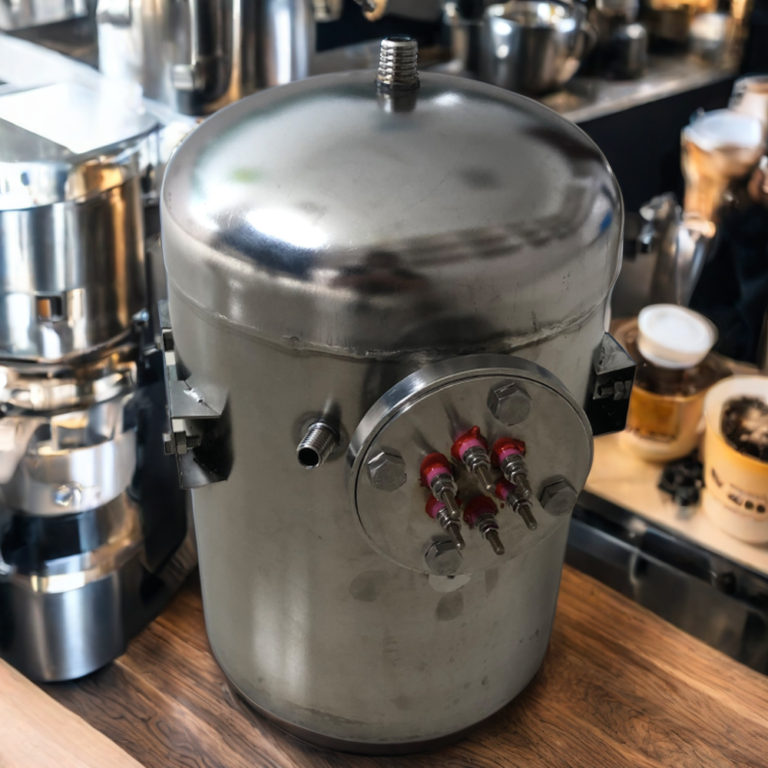
Avamere kütteseade võib rikki minna kaua enne, kui selle elektriline nimiväärtus on saavutatud. Soolapihustus ründab terminale ja korpuseid, merevesi muudab materiaalset otsust, ja halvasti juhitav ümbris võib tekitada ladestusi või kohalikku ülekuumenemist. See mere sukelkütteseadmed juhend annab laeva originaalseadmete tootjatele praktilise korrosiooniülevaate järjestuse, soojusülekanne, tihendamine, maandus, ja projekti dokumentatsioon enne laeva või avamereplatvormi küttekeha heakskiitmist.
Sisu

Mille poolest erinevad merekümblussoojendid??
Mereteenus ühendab kokkupuude vedelikuga soolase atmosfääriga, vibratsioon, piiratud juurdepääs hooldusele, ja seisakutele suured tagajärjed. Kütteseade võib soojendada magevett, merevesi, hüdrovedelik, kütusega seotud vedelikud, või töötlemisvett, ja iga keskkond tekitab erineva korrosiooni ja soojusülekande probleemi.
Ärge määrake kütteseadet ainult sõnast "mere".. Enne kui töötame välja meresukelkütteseadmete hinnapakkumise, küsime vedelat keemiat, kontsentratsioon, normaalne ja maksimaalne temperatuur, paagi materjal, keelekümbluse sügavus, ringlus, laeva tsoon, ja olemasolev elektrivarustus.
Kuidas valida soolase vee jaoks ümbrise materjal?
Merevesi võib küttekeha kloriidi rünnata, pragude korrosioon, galvaaniline sidestus, ja hoiused. Õiget kesta ei vali eraldi korrosioonikindlus; see peab ka soojust edasi andma ettenähtud pinnakoormusel ja jääma paagiga ühilduvaks, äärik, kinnitusvahendid, ja puhastusmeetod.
Paluge tarnijal tuvastada täpne ümbrissulam ja alad, mis jäävad pärast kokkupanekut paljastatuks. Kaitstud soojendusega sektsioon võib keevisõmblusel siiski ebaõnnestuda, painutada, keermestatud ühendus, pitsat, või terminali üleminek, kui materjal ja geomeetria loovad lokaalse korrosioonielemendi.
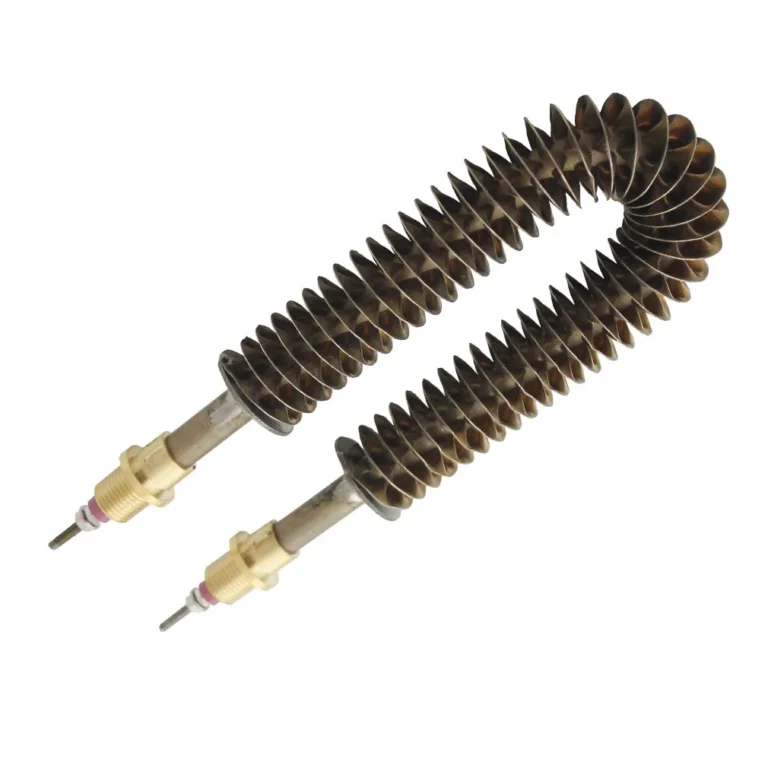
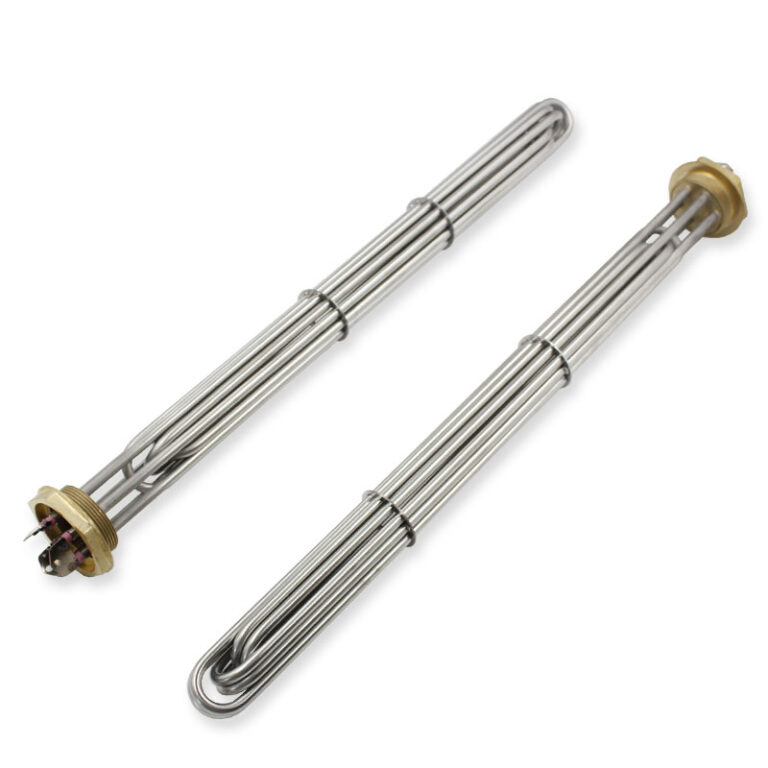
Vanorm toodab sukelsoojendeid, torukujulised elemendid, ribidega küttekehad, kassettkütteseadmed, ja kaetud elemendid kohandatud rakenduste jaoks. Meie 40+ aastate küttekogemus toetab materjalide ülevaateid, kuid lõplik valik peab olema seotud tegeliku vedeliku ja projekti spetsifikatsiooniga, mitte üldise "roostevaba terase" kirjeldusega.
Miks on vattide tihedus merepaagis oluline??
Ülemäärase pinnakoormusega kütteseade võib tekitada kuuma ümbrise isegi siis, kui paagi temperatuur tundub vastuvõetav. Madal vedeliku liikumine, osaline keelekümblus, skaala, või muda suurendab soojustakistust elemendi ümber ja tõstab ümbrise temperatuuri.
Meresoojendite jaoks, nõuda võimu, aktiivne pindala, vati tihedus, kuumutatud pikkus, külma otsa pikkus, ja minimaalne vedelikutase. Tarnija peaks ka teatama, kas arvutus eeldab loomulikku konvektsiooni, sunnitud ringlus, või määratletud voolukiirus.
Kasutage etapiviisilisi ahelaid või proportsionaalset juhtimist, kui protsess seda võimaldab. Õigesti paigutatud andur, madala taseme väljalõige, ja sõltumatu ülekuumenemiskaitse aitavad vältida avatud elemendi jäämist pumba ajal pingesse, ventiil, või tasemekontrolli rike.
Kuidas kaitsevad tihendus ja maandus avamereseadmeid?
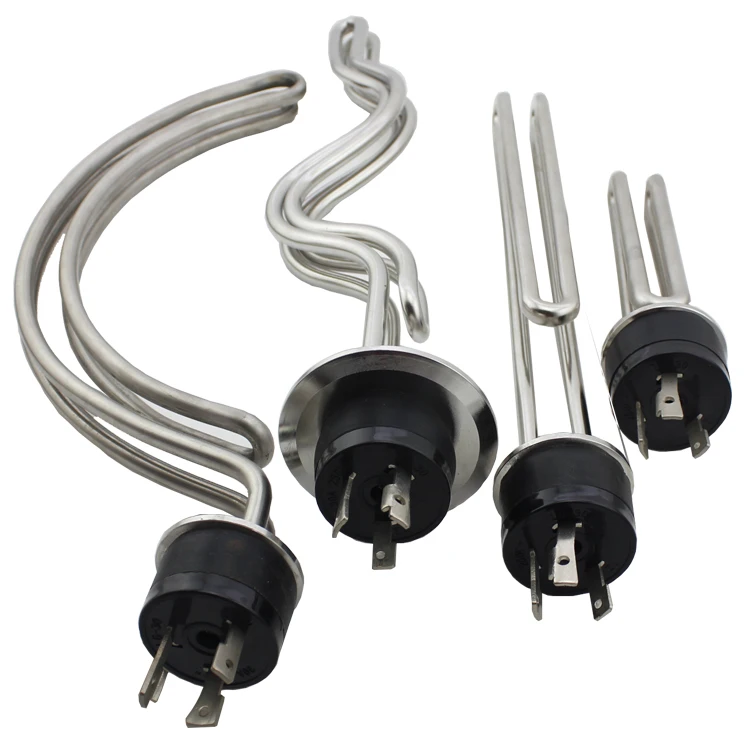
Vee sissepääs algab sageli väljaspool soojendatavat toru. Kaabli tihendid, klemmikarbid, ääriku näod, tihendi kokkusurumine, ja kaablite juhtimine tuleb üle vaadata ühe koostuna. Helikate ei kompenseeri klemmikest, mis võimaldab soolaniiskusel jõuda pingestatud ühendusteni.
Täpsustage tegeliku paigaldustsooni korpuse ja ühendusnõuded, sealhulgas pesemine, pihustada, kondensatsioon, vibratsioon, ja juurdepääs kontrollimiseks. Taotlege jooniseid, mis näitavad terminali asukohta, tihenduspinnad, tihendi materjal, ja kaitsemeetod igal üleminekul.
Maandust ja ühendamist peaks kontrollima laeva või platvormi elektriinsener. Küttekeha korpus, tank, kaitsejuht, kaabli ekraan, ja juhtkapp peavad järgima projekti kinnitatud elektriprojekti. Ärge käsitlege järjepidevuse testi pingil kui tõendit, et paigaldatud süsteem on õigesti ühendatud.
Milliseid meresõidunõuetele vastavuse dokumente peaksite taotlema?
Mereprojektid määravad sageli kindlaks laevatüübi, paigaldustsoon, lipp, klassi ühiskond, elektriline standard, või omaniku kinnitamise protsess. Nõutavad tõendid sõltuvad seega lepingust. Paluge ostja tehnilisel asutusel enne tootmise alustamist kindlaks teha kehtivad eeskirjad.
Üldise elektriohutuse dokumentatsiooni jaoks, vaadake üle sertifikaadi ulatus ja tooteteave UL lahendused. See on üldine viide, ei asenda meresõiduklassi tunnustust. Kui projekt nõuab DNV-d, ABS, Lloydi register, või mõni muu asutus, taotleda kirjalikult täpset kinnitusviisi ja sertifikaadi ulatust.
Meie ettevõtte profiilis on kirjas UL, CE, CQC, ja ISO9001 volikirjad, ekspordib rohkem kui 60 riigid, ja toetab 100% eritellimusel valmistatud OEM/ODM lahendused. Ostjad peaksid siiski kinnitama, milline sertifikaat kaasasolevale küttekehale kehtib, tootmispartii, ja lõplik installitud konfiguratsioon.
Kuidas peaksite planeerima ülevaatust ja asendamist avamerel?
Piiratud juurdepääs muudab kütteseadme rikke maksumust. Kaasake eemaldamisluba, tõstepunktid, ääriku juurdepääs, kaabli pikkus, isolatsiooni sammud, varuosa identifitseerimine, ja paagi tühjendamiseks või ohutuks muutmiseks kuluv aeg. Odava soetamise küttekeha võib avamerel olla kulukas, eriti kui meresoojendid on paigaldatud teki alla või kaitstud libisemisaluse sisse.
Enne kasutuselevõttu määratlege kontrolli käivitajad: isolatsioonitakistus, maa järjepidevus, terminali seisukord, kesta ladestused, leke, temperatuuri stabiilsus, ja praegune tasakaal. Salvestage lähteväärtused, kui kütteseade on uus, et saaks enne väljalülitamist või seiskamist tuvastada hilisemat triivi.
Seotud vedeliku soojendamise otsuste jaoks, võrrelda meie vattiheduse arvutamise juhend, a Incoloy 800 ja 316 roostevabast terasest valiku juhend, ja meie kohandatud OEM-kütteelemendi protsess. Need ressursid aitavad ühendada merekujunduse valikuid pinnakoormusega, materjalist, ja tootmisdetailid.
Tarnija auditi kontrollnimekiri: 5 Dokumendid, mida taotleda enne ostutellimuse allkirjastamist
- Materjali- ja keemiateenuse avaldus: Tuvastage ümbris, keevitada, kinnitusvahend, tihend, ja terminali materjalid tegeliku vedeliku ja atmosfääri suhtes.
- Soojusdisaini leht: Kinnitage toide, aktiivne pikkus, vati tihedus, voolu või ringluse eeldus, minimaalne tase, ja kontrolli piirid.
- Paigaldus- ja tihendusjoonis: Kontrollige äärikut, tihend, terminali korpus, kaabli sisend, kliirensid, ja juurdepääs hooldusele.
- Elektri- ja maandusdokumendid: Kontrollige pinget, faas, vastupanu, isolatsioon, maa järjepidevus, blokeeringud, ja kinnitatud ühenduse üksikasjad.
- Projekti kinnitamise maatriks: Loetlege vajalik klass, lipp, omanik, CE/UL, ülevaatus, ja partii jälgitavuse dokumendid enne saatmist.
Hinnapakkumine ei ole täielik, kui selles on loetletud ainult kilovatid ja ümbrise materjal. Meresoojendite jaoks, ostufail peaks näitama, kuidas element vedeliku üle elab, kuidas koost pitseeritakse, kuidas ebanormaalne töö peatatakse, ja milline asutus aktsepteerib dokumente.
Korduma kippuvad küsimused
K: Kas standardsed sukelsoojendid sobivad merevee teenindamiseks?
Mitte automaatselt. Merevee keemia, kokkupuude kloriidiga, vati tihedus, ringlus, paagi materjal, ja elektrikaitse tuleb koos üle vaadata. Paluge tarnijal dokumenteerida täpne materjal ja kasutuseeldused.
K: Mis on kõige levinum viga meresoojendi valimisel?
Ainuüksi roostevaba terase koguvõimsuse ja nominaalse kvaliteedi järgi valimine on tavaline viga. RFQ peaks määratlema ka aktiivse pinnakoormuse, vedeliku tase, tihendamine, maandus, juurdepääs, ja projekti kinnitusdokumendid.
K: Kas CE- või UL-kinnitus võrdub meresõiduklassi kinnitusega?
Ei. Üldine tootesertifikaat ja meresõiduklassi heakskiit vastavad erinevatele nõuetele. Kinnitage täpne volitus, sertifikaadi ulatus, paigaldustsoon, ja laeva või avamereprojekti määratud kontrollitee.
K: Mida peaksin saatma merekütteseadme hinnapakkumise saamiseks?
Saatke vedel keemia, tanki joonis, temperatuuri sihtmärk, soojenemisaeg, ringlus, keelekümbluse sügavus, pinge, vaba ruumi, kaabli ja terminali nõuded, laeva tsoon, ja nõutavad klassi või omaniku dokumendid. See võimaldab meie OEM-i meeskonnal disaini enne tsiteerimist üle vaadata.
Meresoojendite jaoks, saatke meie meeskonnale oma vedeliku profiil, tanki joonis, kuumenemise sihtmärk, elektrivarustus, paigaldustsoon, ja nõutavad kinnitusdokumendid. Vaatame korrosiooni üle, termiline, tihendamine, ja kontrollinõuded enne kohandatud disaini soovitamist.