Peate paaki soojendama, laev, või voolav vedelik. Sa otsid “sukelküttekehad” ja “torukujulised kütteseadmed“– ja nüüd vaatate kahte tootekategooriat, mis näevad pealtnäha sarnased, kuid teenivad olenevalt teie rakendusest põhimõtteliselt erinevaid eesmärke.
Vale tüübi valimine ei raiska lihtsalt raha. See võib tähendada ebapiisavat soojusvõimsust, kolme kuuga roostetav kütteelement, või asendustsükkel, mis sööb teie hoolduseelarvesse. Selles juhendis kirjeldatakse tegelikke erinevusi – mitte kataloogiversiooni – ja selgitatakse, miks müügivalmis suurus harva vastab tegelikele tööstusnõuetele..
Sukelküttekehad vs torukujulised kütteseadmed: Põhiline erinevus
Erinevus seisneb selles, kuidas kütteelement suhtleb keskkonnaga:
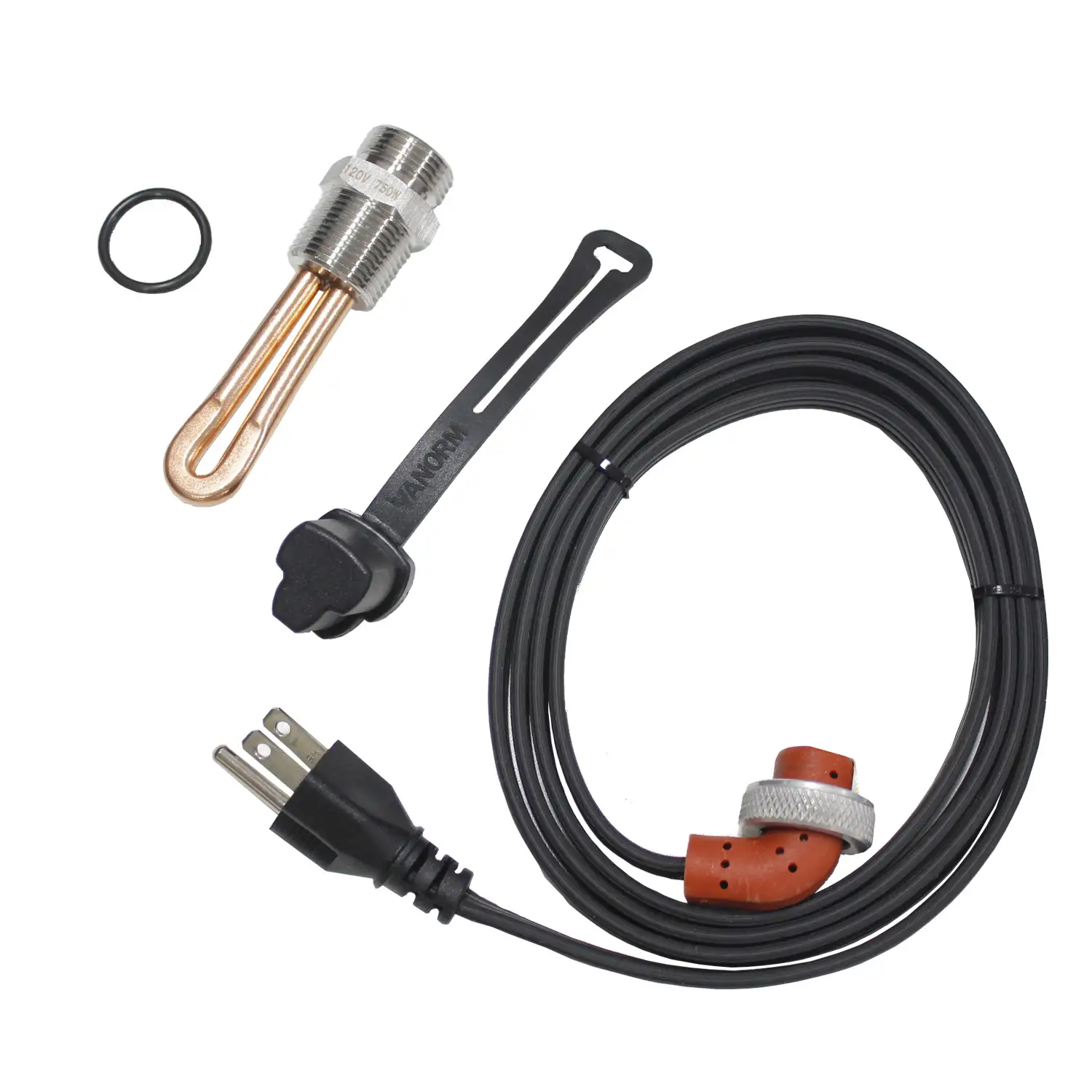
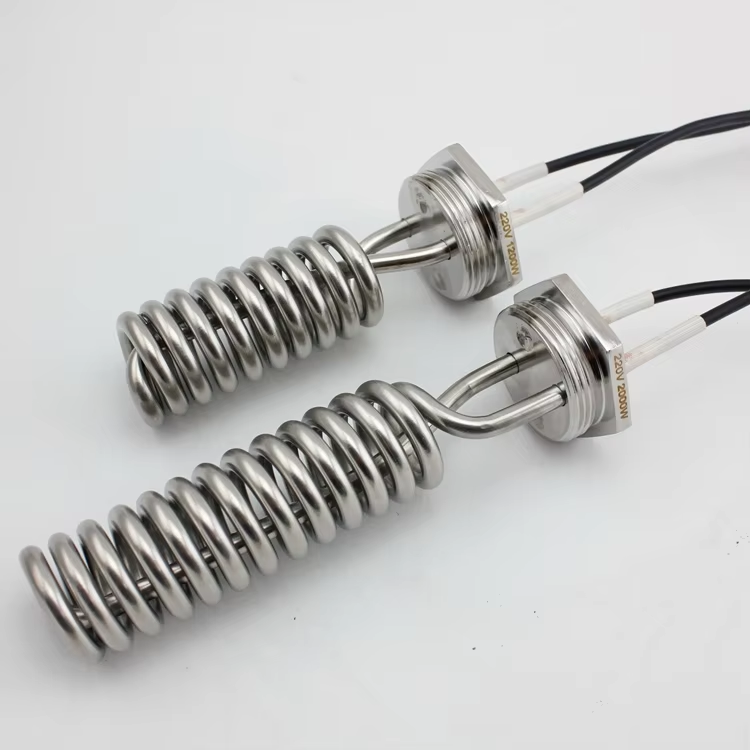
- Sukelküttekehad on mõeldud otse vedelikku sisestamiseks, gaas, või viskoosne materjal, mida kuumutatakse. Kogu kuumutatud osa on sukeldatud söötmesse. Levinud vormide hulka kuuluvad äärikuga sukelsoojendid (poltidega paagi ääriku külge), kruvipistikuga sukelsoojendid (keermestatud porti), ja küljepealsed sukelsoojendid (rippus üle tanki seina).
- Torukujulised kütteseadmed on mitmekülgsed kütteelemendid, mis on kujundatud metalltorust, mis sisaldab tihendatud MgO pulbriga isoleeritud takistusmähist. Nad võivad õhku soojendada, vedelikud, või tahked ained olenevalt sellest, kuidas need on paigaldatud. Torukujulised elemendid on ehitusplokid – neid saab painutada kohandatud kujunditeks, tankidesse sisestatud (muutumas sukelküttekehadeks), paigaldatud kanalitesse (muutuvad õhusoojendajateks), või pindade külge kinnitatud.
Siin on peamine ülevaade: enamik sukelkütteseadmeid on torukujulised küttekehad, mis on konfigureeritud vedelikku sukeldamiseks. Erinevus ei seisne alati elemendis endas, vaid paigaldusmeetodis, ümbrise materjali valik, ja söötmele omase vattiheduse arvutamine.
Millal valida sukelkütteseade
Sukelküttekehad on õige väljakutse, kui teie peamine vajadus on suletud vedeliku mahu tõhus soojendamine. Tüüpilised tööstuslikud rakendused – sarnased muudega elektriliste kütteelementide tüübid- kaasa arvatud:
- Töötlemisvee mahutid ja pesusüsteemid
- Hüdraulikasüsteemide või määrdeainete õli eelsoojendus
- Täpset temperatuuri reguleerimist vajavad keemilised vannid
- Puhastus- ja rasvaärastuslahused
- Toiduainete töötlemise mahutid (sobiva ümbrismaterjaliga)
Spetsiaalselt ehitatud sukelsoojendi (eriti äärikuga või kruvikork-tüüpi) eeliseks on see, et kinnitusriistvara, terminali korpus, ja ümbrise materjal on juba sobitatud niiskes keskkonnas töötamiseks. Te ei kohanda üldotstarbelist torukujulist elementi; paigaldate vee all töötamiseks mõeldud seadme.
Kui torukujulised küttekehad on parem valik
Torukujulised kütteelemendid säravad, kui vajate paindlikkust. Kuna neid saab painutada peaaegu igasse kujusse - U-kujuliseks, serpentiin, spiraal, või keerulised mitmetasandilised konfiguratsioonid – need sobivad seadmetesse, kus standardiseeritud sukelkütteseade ei tööta:
- Eritellimusel projekteeritud kütteõõnsustega OEM-seadmed
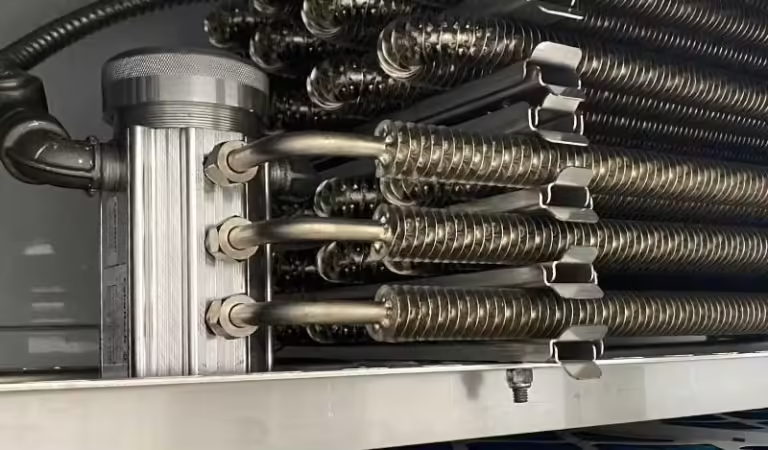
- Õhkküttekanalid ja õhupuhastid (uimedega pindala suurendamiseks)
- Vormi ja plaadi kuumutamine, kus element peab järgima kindlat kontuuri
- Uuendusprojektid, kus olemasolevad kinnituspunktid on ebastandardsed
- Rakendused, mis nõuavad soojuse hajutamist suurel pinnal
Kui teie seadmed on ehitatud kohandatud kütteelemendi geomeetria ümber – ja algne tarnija pole enam saadaval –, on kohandatud painutusvõimalusega torukujuliste küttekehade tootja teie tee.. Lisateavet tootjate hindamise kohta, vaadake meie juhendit tööstuslike kütteelementide tarnijate valimine.
Vati tihedus ja ümbrise materjal: Kus enamik tehnilisi andmeid läheb valesti
Olenemata sellest, kas valite sukelküttekeha või kohandatud torukujulise konfiguratsiooni, kaks parameetrit määravad, kas element kestab aastaid või kuid:
Vattide tihedus (vatti ümbrise pinna ruuttolli kohta) tuleb sobitada meediumiga. Vesi talub ohutult 45–60 W/in² (allikas). Õli jaoks on tavaliselt vaja 15–23 W/in², kuna õli juhib soojust vähem tõhusalt ära. Viskoosne vedelik või seisev õhk võib vajada 5–10 W/in². Käivitage õlis vett hinnatud vattihedusega, ja ümbris kuumeneb üle – element läheb kiiresti rikki.
Kattematerjal valik on sama kriitiline:
- 304 roostevaba teras – Sobib puhta vee ja pehme keskkonna jaoks
- 316L roostevaba teras – Nõutav kergelt söövitavate vedelike puhul, toiduga kokkupuude, või keemilised lahused
- Incoloy 800/840 – Kõrge temperatuuriga õhu soojendamiseks ja agressiivsete keemiliste keskkondade jaoks
- Titaan – Merevee jaoks, marineerimislahused, ja tugevalt happelised vannid
Tootja, kes ei aruta teiega enne tsiteerimist vattide tiheduse ja ümbrise materjali üle, ei tegele projekteerimisega – ta võtab tellimusi vastu. Nii juhtub, et roostevabast terasest element roostetab kergelt happelises vannis kuue kuu jooksul.
Miks valmiskütte- ja toruküttekehad sageli ei sobi?
Tööstuslik küte ei ole ühekordne probleem. Tavalise kataloogi sukelsoojendi võib olla õige võimsusega, kuid vale ääriku muster. Torukujuline element võib vastata teie pingele, kuid mitte painderaadiusele. Need ebakõlad sunnivad kompromisse:
- Paigaldusriistvara kohandamine suurendab tööjõukulusid ja loob lekketeid
- Standardelemendi ülemõõtmine sobivuse kompenseerimiseks kulutab energiat
- Veidi alahinnatud elemendi käitamine lühendab selle eluiga
See on koht, kus kohandatud tootmine võrrandit muudab. Tootja, kes toetab OEM- ja ODM-i tootmist – olenemata sellest, kas seda vajate torukujulised või kassettide konfiguratsioonid- saab:
- Vastake täpselt oma ääriku standardile (ANSI, FROM, TEMA) ja poldi muster
- Valmistage oma paindejoonisele või füüsilisele proovile torukujulised elemendid, sealhulgas mittestandardsed pikkused ja läbimõõdud
- Arvutage oma konkreetse keskmise ja töötsükli jaoks õige vattihedus
- Valige oma keemilise keskkonna jaoks õige ümbrise materjal – mitte ainult odavaim roostevaba teras
- Ehitage valideerimiseks üks prototüüp enne tootmismahuga sidumist
Rajatise haldajale, kes vahetab ebaõnnestunud küttekehasid iga paari kuu tagant, 3–5 aastat kestva eritellimusel valmistatud kütteelemendi hind on selle eluea jooksul sageli madalam kui korduv kataloogiosade, mis igal aastal läbi põlevad, ostmisel.
Kuidas määrata sukel- või toruküttekeha nõuded
Kütteelemendi tootja poole pöördumisel, nende üksikasjade ettevalmistamine kiirendab täpset hinnapakkumist ja väldib edasi-tagasi:
- Keskmist kuumutatakse (vesi, õli, keemiline, õhku, viskoosne vedelik, gaas)
- Töötemperatuuri vahemik (sihttemperatuur ja maksimum)
- Nõutav võimsus ja pinge (ühefaasiline või kolmefaasiline)
- Saadaolev ruum ja kinnitusviis (äärik, kruvikork, klamber, või kohandatud sulg)
- Igasugune keemiline kokkupuude (puhastusvahendid, töödelda kemikaale, pH vahemik)
- Töötsükkel (pidev, katkendlik, sisse/välja sagedus)
- Joonis või näidis olemasoleva elemendi asendamisel
Tehnilise sügavusega tootja vaatab need parameetrid üle ja kinnitab või vaidlustab teie spetsifikatsiooni enne tootmise alustamist. See tootmiseelne inseneriülevaade on erinevus kütteelemendi vahel, mis sobib teie rakendusega ja mis sobib kataloogi.
Kui vajate sukelküttekehasid, torukujulised kütteelemendid, või kohandatud konfiguratsioonid tööstuslikeks rakendusteks, oleme küttelahendusi projekteerinud ja tootnud üle pika aja 40 aastat. Saatke meile oma spetsifikatsioonid, joonistamine, või näidis – anname kavandatud soovituse ja tootmise ajakava, mida saate planeerida.